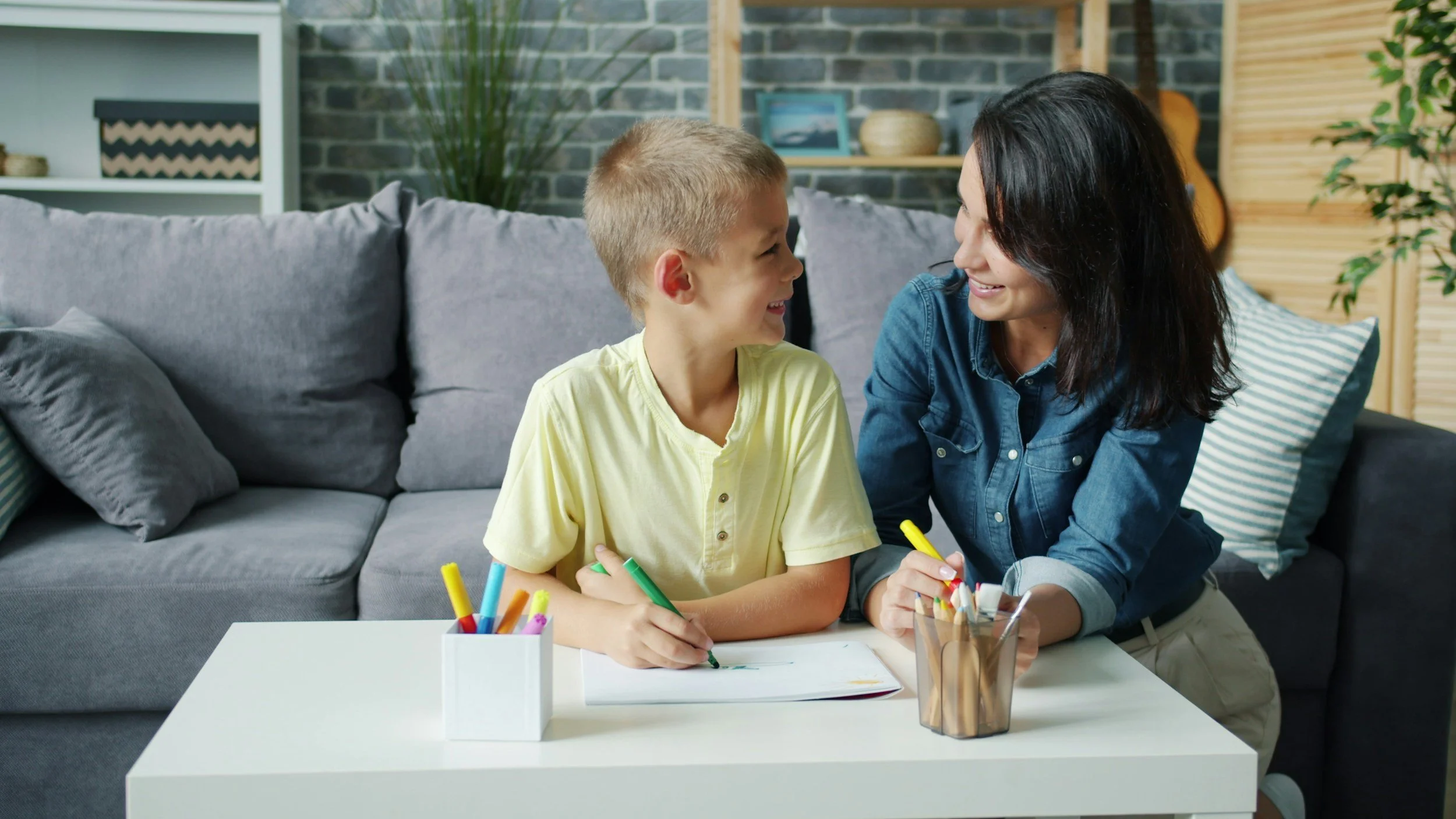
When Should a Child See a Therapist? Signs Your Child May Need Support in Tampa, FL
/When Should a Child See a Therapist?
Parenting often comes with moments when you find yourself wondering, “Is this just a phase, or is my child having a harder time than I realize?”
Maybe your child has been having more frequent meltdowns. Perhaps school has become stressful, friendships feel complicated, or your once-easygoing child seems more anxious, withdrawn, or overwhelmed. You may notice that transitions are difficult, emotions escalate quickly, or your child struggles to explain what they are feeling.
It can be difficult to know when these experiences are part of typical childhood development and when additional support may be helpful.
The truth is that children do not always have the words to describe anxiety, sadness, stress, or emotional overwhelm. Their feelings may show up through behavior, physical complaints, difficulty sleeping, irritability, or changes in how they interact with the people around them.
Child therapy can provide a supportive space where children learn to understand their emotions, develop coping skills, and feel more confident navigating the challenges of growing up.
At Serene Mind Counseling + Evaluations, we recognize that every child is different. Our approach to child therapy in Tampa, FL is grounded in compassion, curiosity, and an understanding that behavior often communicates something meaningful.
1. Your Child Is Experiencing Frequent or Intense Emotional Outbursts
All children experience big feelings. Frustration, disappointment, excitement, and sadness are normal parts of development.
However, you may begin to feel concerned when emotional outbursts become frequent, intense, or difficult for your child to recover from.
You might notice:
Meltdowns that occur during everyday transitions
Difficulty calming down after becoming upset
Strong reactions to seemingly small frustrations
Frequent irritability or emotional sensitivity
Trouble communicating feelings before emotions escalate
These experiences do not automatically mean your child has a mental health diagnosis. Emotional regulation skills develop over time, and children may need additional support learning how to identify and manage what they feel.
Therapy can help children recognize emotional cues, practice calming strategies, and build a greater understanding of their internal experiences.
Rather than viewing emotional outbursts as simply “bad behavior,” it can be helpful to explore what may be happening underneath the reaction.
2. Anxiety Is Beginning to Affect Everyday Life
Childhood anxiety can look different from what adults expect.
Some children openly express worry. Others may become irritable, clingy, perfectionistic, avoidant, or physically uncomfortable.
Signs of anxiety may include:
Excessive worry about school, friendships, or family
Repeated reassurance-seeking
Difficulty separating from caregivers
Avoidance of activities they previously enjoyed
Frequent stomachaches or headaches, particularly during stressful situations
Trouble falling asleep because of worries
Fear of making mistakes or disappointing others
Children may not say, “I feel anxious.” Instead, they might say, “I don't want to go,” “My stomach hurts,” or “What if something bad happens?”
When anxiety begins interfering with school attendance, relationships, sleep, family routines, or activities, therapy may be worth considering.
A child therapist can help your child gradually develop coping tools while also helping caregivers understand how to respond to anxiety in supportive ways.
3. School Has Become More Difficult
School-related struggles can sometimes reflect more than academic challenges.
A child may be experiencing stress related to learning, attention, social relationships, sensory experiences, or emotional regulation.
You might notice:
Increased frustration with homework
Difficulty completing tasks
Frequent worries about school
Avoidance or resistance before school
Changes in grades or classroom behavior
Feeling overwhelmed by expectations
Difficulty managing peer conflict
For some children, school can be an environment where they are working hard to manage challenges that may not be visible to others.
A child who appears distracted, oppositional, or unmotivated may actually be struggling with anxiety, overwhelm, or difficulties organizing and regulating their emotions.
Therapy can help children explore these experiences and develop skills that support their emotional well-being. When appropriate, collaboration with parents, caregivers, and other professionals may also help create a more consistent support system.
4. Your Child Is Having Difficulty With Friendships
Friendships are an important part of childhood. They provide opportunities to develop communication, empathy, problem-solving, and social confidence.
However, social relationships can also become a source of stress.
Your child may:
Feel left out or rejected
Struggle to resolve disagreements
Become very distressed when friendships change
Have difficulty expressing needs or boundaries
Worry excessively about what peers think
Withdraw from social activities
Experience repeated conflicts with classmates
Therapy can offer a space to explore social experiences without judgment.
Children may practice identifying emotions, communicating more effectively, recognizing personal boundaries, and responding to conflict. The goal is not to make every child behave the same way socially. It is to help each child build skills that support healthy relationships while honoring their individual personality and needs.
5. You Notice Changes in Sleep, Mood, or Behavior
Sometimes the most meaningful signs are changes from your child's usual patterns.
For example, a child who previously enjoyed activities may become withdrawn. A child who slept well may begin experiencing nightmares or difficulty falling asleep. A child who was generally comfortable with separation may suddenly become fearful.
Changes can be associated with many factors, including developmental transitions, family stress, grief, anxiety, bullying, or other experiences.
It may be helpful to seek support when changes are persistent, distressing, or affecting daily functioning.
If your child experiences a sudden or severe change in behavior, safety concerns, or significant physical symptoms, consult an appropriate medical or mental health professional promptly.
6. Your Child Has Experienced a Stressful or Difficult Event
Children may need support after experiences such as:
A family transition or separation
The loss of a loved one
Bullying or peer conflict
A frightening event
A medical experience
A significant change in their environment
Children process experiences differently from adults. Some may talk about what happened, while others may communicate through play, behavior, or changes in mood.
Therapy can help children feel supported as they make sense of difficult experiences. Depending on the child's needs, a therapist may use developmentally appropriate approaches, including play-informed interventions, cognitive behavioral therapy (CBT), or other evidence-informed methods.
A child should not have to wait until their distress becomes severe to receive support.
What Happens During Child Therapy?
Many parents wonder what child therapy actually looks like.
Therapy is not simply asking a child to sit down and talk about their feelings for an entire session. The process is adapted to the child's developmental stage, personality, concerns, and comfort level.
Depending on the child, sessions may include:
Emotional identification activities
Coping skills and calming strategies
Play-informed approaches
Problem-solving exercises
Exploring thoughts, feelings, and behavior patterns
Building communication and social skills
Parent or caregiver involvement
Caregiver participation may be an important part of the process. Parents can learn ways to support emotional regulation at home, respond to challenging moments, and reinforce skills between sessions.
The purpose is not to blame parents or label children. It is to better understand the child's needs and help the family develop tools that make everyday life feel more manageable.
How Can Parents Support a Child Who Is Struggling?
While professional support can be helpful, there are also small ways caregivers can support children at home.
Make room for feelings. Try responding with curiosity rather than immediately correcting the behavior. “That felt really frustrating” can help a child feel understood.
Keep expectations developmentally appropriate. Children are still learning how to manage emotions, communicate, and solve problems.
Offer predictable routines. Consistent routines can help some children feel more secure, especially during transitions.
Notice patterns. Consider whether emotional difficulties tend to happen around certain activities, times of day, or situations.
Connect before correcting. When a child is overwhelmed, a calm and supportive connection may help them become more receptive to problem-solving later.
Seek support when needed. You do not have to navigate every concern alone.
Child Therapy in Tampa, FL at Serene Mind Counseling + Evaluations
If you are wondering whether your child may benefit from therapy, you are not alone. Many parents seek support because they want to understand their child more deeply and help them feel better equipped to navigate everyday life.
Serene Mind Counseling + Evaluations offers counseling for children, teens, and families in Tampa, FL, with a compassionate approach that considers the whole child.
Our practice recognizes that emotional experiences are shaped by many factors, including development, relationships, stress, and the nervous system. We work to create a supportive environment where children can build emotional awareness, coping skills, and confidence.
You can learn more about our practice at Serene Mind Counseling + Evaluations.
If your child is struggling with anxiety, emotional regulation, school stress, or relationships, reaching out for support may be a meaningful next step.
Your child does not need to have everything figured out. And you do not need to be a perfect parent to help them.
Sometimes, the most important thing we can do is recognize that a child is having a hard time—and give them a safe place to begin.
Serene Mind Counseling + Evaluations
Tampa, FL | Jacksonville, FL
Website: https://www.serenemindpsych.com/
This article is for educational purposes only and is not a substitute for individualized mental health or medical care.