LENS Neurofeedback in Tampa: A Gentle, Noninvasive Approach to Brain Wellness
/What if supporting your brain and nervous system didn't require another complicated routine, another exercise to master, or another thing you had to work harder to accomplish?
For many people, life already requires a tremendous amount of mental and emotional energy. Children are navigating school, attention, emotions, friendships, and big feelings. Adults are balancing work, family, responsibilities, stress, and the constant demands of everyday life. Sometimes, even when we are doing our best to take care of ourselves, our brains and bodies still feel overwhelmed.
At Serene Mind Neuro & Wellness in Tampa, Florida, we offer LENS neurofeedback, a gentle, noninvasive approach to brain wellness designed to support the brain's ability to regulate and adapt.
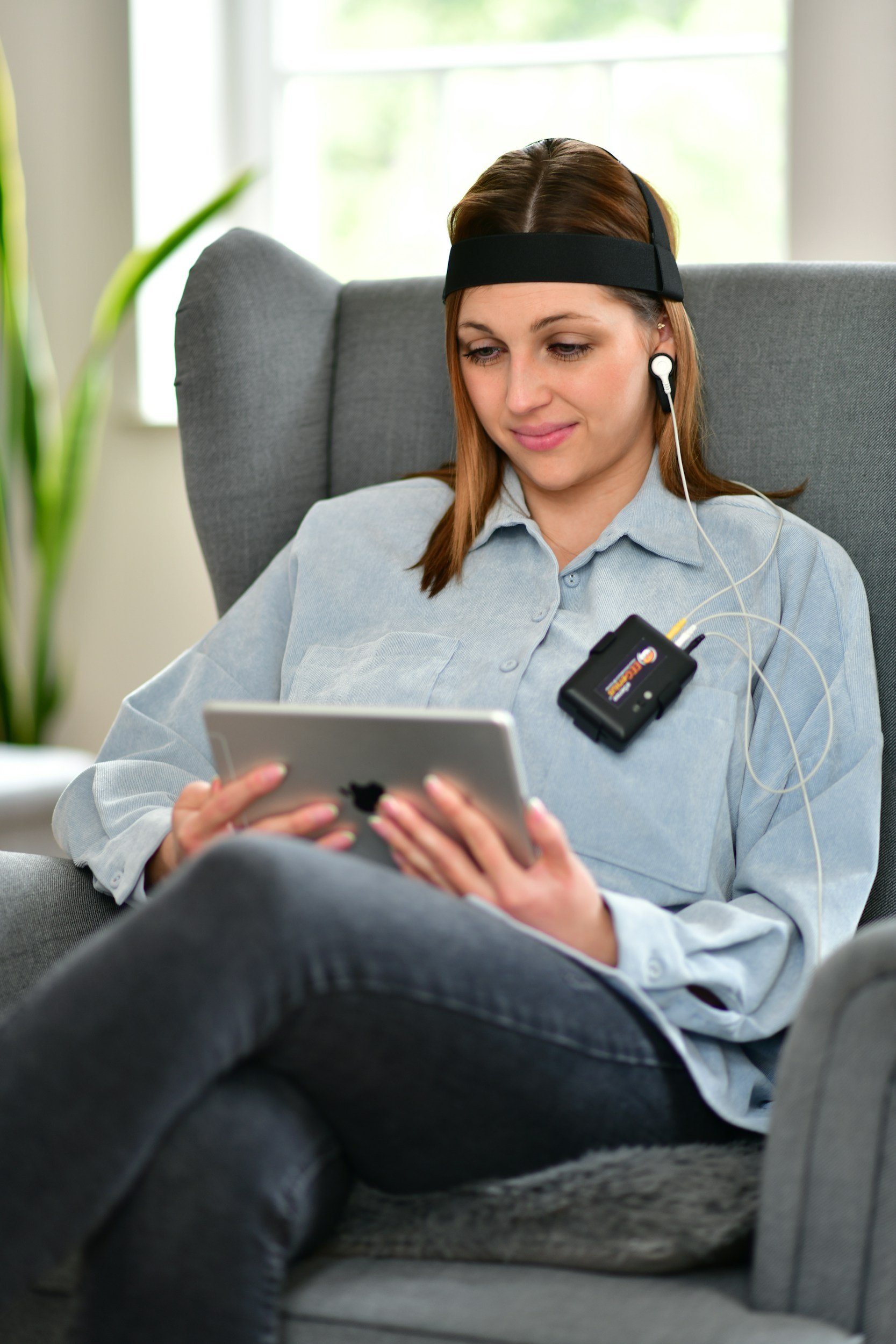
LENS offers a different kind of experience. Sessions are brief, there is no painful procedure, and you don't need to sit in front of a screen completing exercises or actively trying to change your brainwaves. Instead, you can simply get comfortable while the technology provides individualized feedback based on your brain's electrical activity.
What Is LENS Neurofeedback?
LENS stands for Low Energy Neurofeedback System. It is a specialized form of EEG-based neurofeedback that uses information about brainwave activity to deliver a very low-intensity feedback signal.
The goal is to support the brain's ability to adjust, adapt, and move toward more flexible patterns of functioning.
Unlike traditional neurofeedback approaches that may require you to watch a screen, respond to visual or auditory cues, or actively practice regulating your brainwaves, LENS is a passive approach. You do not have to concentrate, perform, or learn a new skill during the session.
This can make LENS particularly appealing for children, individuals who feel mentally exhausted, people who struggle with concentration, or anyone who feels like they have already tried everything and simply wants a different approach.
The Benefits of LENS Neurofeedback
LENS is being explored and utilized to support a variety of concerns involving brain functioning, regulation, and overall well-being. While every individual is different, some of the areas people seek support for include:
1. Focus, attention, and mental clarity
When the brain feels overwhelmed, staying focused, organizing thoughts, completing tasks, or transitioning between activities can feel harder than they should.
LENS neurofeedback is being explored in relation to attention, cognitive functioning, and mental fatigue. Some individuals seek support for feeling mentally scattered, struggling to maintain focus, experiencing brain fog, or having difficulty staying organized.
For children and teens, this may look like difficulty completing homework, staying on task, managing transitions, or feeling overwhelmed by school demands. For adults, it may show up as mental exhaustion, forgetfulness, difficulty concentrating, or feeling like your brain has too many tabs open.
2. Stress, overwhelm, and nervous system regulation
Stress doesn't always feel like worrying. Sometimes it looks like irritability, feeling constantly on edge, difficulty relaxing, emotional exhaustion, trouble sleeping, or feeling overwhelmed by things that previously felt manageable.
When the nervous system has been carrying stress for an extended period, the body may have difficulty shifting into a calmer state.
LENS is a brain-based approach that may be considered as part of a broader wellness plan for individuals experiencing stress, overwhelm, and difficulty with regulation. Research exploring LENS has included stress, anxiety, and cognitive functioning, although results vary across studies and additional research is needed.
3. Emotional regulation
Big emotions can feel exhausting—for children and adults alike.
Some individuals experience emotions intensely, struggle with frustration, feel easily overstimulated, or find it difficult to recover after a stressful situation. Others describe feeling emotionally depleted, disconnected, or unable to find a sense of balance.
LENS may be explored as an additional support for individuals who want to work toward improved regulation and greater flexibility in how they respond to everyday stressors.
For children and teens, supporting regulation can be especially important when emotions interfere with school, friendships, family relationships, or daily routines.
4. Mental fatigue and feeling exhausted
Mental fatigue can affect almost every area of life. You may feel like simple tasks require too much effort, conversations are draining, concentration is difficult, or you never quite feel mentally refreshed.
Research involving neurofeedback, including studies exploring LENS, has examined fatigue and cognitive symptoms. Some findings have been encouraging, while other studies have produced mixed results, reinforcing the importance of individual assessment and continued research.
LENS is one option that may be explored when mental fatigue and cognitive overwhelm are affecting quality of life.
5. Sleep and relaxation
Sleep and brain regulation are closely connected. When the mind feels constantly active, the body feels tense, or it is difficult to transition out of the day's demands, falling asleep and staying asleep may become challenging.
Some individuals explore LENS as part of a broader approach to brain wellness and sleep support. Although research has examined sleep-related symptoms in neurofeedback populations, results are not uniform, and LENS should not be viewed as a guaranteed solution for insomnia or sleep disorders.
Why People Love That LENS Is Different
One of the biggest reasons people are interested in LENS is that it does not require them to work harder.
There are no brain-training games to complete. No exercises to memorize. No need to maintain intense concentration. No painful procedures.
A LENS session is designed to be brief and comfortable.
During a session, sensors are used to measure brainwave activity. The system provides individualized feedback through a very low-intensity signal. The process is typically completed in a short amount of time, making it easier to incorporate into a busy schedule.
Many people appreciate that they can simply relax during their session rather than being asked to actively participate in another task.
Noninvasive and gentle
LENS does not involve surgery, injections, medication, or electrical stimulation in the way many people imagine when they hear brain-based technology. It is a noninvasive approach using EEG sensors and a very low-intensity feedback signal.
No painful procedures
LENS does not require painful procedures. The sensors are placed on the scalp to obtain EEG information, and the session itself is not intended to be painful.
Brief sessions
Sessions are typically brief compared with many traditional brain-training approaches. This can make LENS a convenient option for children, busy parents, working adults, and individuals who find longer appointments difficult.
You don't have to actively train your brain
Some forms of neurofeedback involve actively learning to regulate brainwave activity through visual or auditory feedback. LENS is different. The process is passive, meaning you don't have to actively concentrate, complete tasks, or try to control the feedback.
Individualized approach
LENS sessions are guided by individualized information and clinical decision-making rather than a one-size-fits-all approach. Your experience and changes between sessions matter, and your care is adjusted thoughtfully based on your response.
How Quickly Can You Notice Changes?
One of the questions people frequently ask is, "How long does it take to notice a difference?"
Some people report noticing changes early in their course of sessions, while others experience gradual changes over time. Published clinical research has reported early improvements in some participants, including a clinical outcomes study of 100 individuals that found improvements across several symptom categories and reported that changes were particularly notable during the first several sessions.
However, response times vary. Some people notice changes quickly, others need more sessions to evaluate their response, and some may not experience the changes they hoped for.
Our goal is not to promise a specific result or rush the process. Instead, we pay attention to your experience, monitor changes, and make thoughtful decisions about whether continuing LENS makes sense for you.
LENS and Counseling: Why Combining Them May Be Helpful
At Serene Mind Counseling + Evaluations, we know that healing is not always about one approach.
Therapy can help you understand patterns, process experiences, develop coping skills, improve relationships, explore emotions, and create meaningful changes in your life.
LENS offers a different avenue of support by focusing on brain-based feedback.
For some clients, the combination of counseling and LENS may be an appealing way to approach wellness from more than one perspective.
Counseling helps you work through the emotional, relational, and psychological aspects of your experiences. LENS may offer additional support for brain regulation and functioning.
LENS may be available as an optional add-on to counseling sessions for eligible existing clients, as well as a standalone service for individuals interested in exploring neurofeedback.
You do not need to be in therapy to inquire about LENS.
Who May Be Interested in LENS?
LENS may be explored by children, teens, and adults who are interested in brain wellness and support with concerns such as:
Attention and focus challenges
Feeling mentally overwhelmed
Stress and difficulty relaxing
Emotional regulation challenges
Mental fatigue or brain fog
Difficulty transitioning between activities
Sleep-related concerns
Feeling stuck in patterns of stress or overwhelm
LENS is not intended to replace medical care, mental health treatment, or other appropriate services. It is not a guaranteed treatment for any specific diagnosis. Determining whether LENS is appropriate requires individualized consideration of your concerns, history, and goals.
Is LENS Safe?
LENS is designed as a noninvasive, low-intensity neurofeedback approach. It does not involve surgery, medication, or painful procedures.
While many people tolerate neurofeedback well, it is important to understand that noninvasive does not mean that everyone will respond the same way. Research has reported temporary symptom changes in some individuals receiving LENS, including fatigue, headache, discomfort, or changes in sleep. These effects are important to monitor and discuss with your provider.
At Serene Mind Neuro & Wellness, we believe wellness services should be approached thoughtfully. Your concerns, comfort, and response matter. We want you to understand what the process involves, ask questions, and make an informed decision about whether LENS is right for you.
Brain Wellness, Reimagined
You don't have to wait until you feel completely overwhelmed to explore ways to support your brain and nervous system.
Whether you are a parent looking for additional support for your child, an adult navigating stress and mental fatigue, or someone curious about a different approach to brain wellness, LENS may be worth exploring.
At Serene Mind Neuro & Wellness, our goal is to offer a supportive, approachable experience that makes brain wellness feel less intimidating and more accessible.
Your brain. Your body. Your nervous system.
Let's explore what support may look like for you.
Interested in LENS neurofeedback in Tampa or South Tampa?
Contact Serene Mind Neuro & Wellness to learn more about LENS neurofeedback, schedule an introductory appointment, or explore whether it may be a helpful addition to your current counseling services.
Website: https://www.serenemindwellness.com
Serene Mind Neuro & Wellness
730 S Sterling Avenue, Suite 301
Tampa, FL 33609
LENS neurofeedback is an optional wellness service. Research is ongoing, outcomes vary by individual, and no specific results are guaranteed. LENS is not a replacement for medical care, psychotherapy, or prescribed treatment.
Research references for the blog
Larsen, Harrington & Hicks. The LENS: A Clinical Outcomes Study on One Hundred Patients at Stone Mountain Center, New York.
A Systematic Review of the Safety and Effect of Neurofeedback on Fatigue and Cognition.
Low Energy Neurofeedback System (LENS) for Stress, Anxiety, and Cognitive Function: An Exploratory Study.