Why Anxiety Can Feel Physical: Understanding the Brain, Body, and Nervous System

Have you ever known logically that you were okay, but your body seemed to tell a different story?

Maybe your heart was racing before a difficult conversation. Maybe your shoulders stayed tense long after a stressful day. Perhaps you found yourself feeling restless, overwhelmed, exhausted, or unable to settle down even when nothing particularly stressful was happening.

You might have tried reminding yourself that everything was fine. You might have practiced deep breathing, distracted yourself, or told yourself to stop worrying.

And yet, the feelings remained.

If this sounds familiar, you're not alone.

At Serene Mind Counseling + Evaluations, we understand that anxiety isn't always experienced as a thought. Sometimes it shows up physically, emotionally, behaviorally, or in ways that are difficult to explain.

Understanding the relationship between your brain, body, and nervous system can be one helpful step toward understanding what you're experiencing.

Why Does Anxiety Affect the Body?

Anxiety involves more than worrying about something that might happen.

When your brain perceives a possible threat or challenge, your body can activate physiological responses designed to help you respond. Your heart rate may increase, your breathing may change, your muscles may tense, and your attention may become more focused on potential danger.

These responses can be useful in situations that require quick action. However, they can also feel uncomfortable when they occur frequently or when it's difficult to settle afterward.

Anxiety can affect people differently. Some people notice racing thoughts, while others primarily experience physical sensations or a persistent sense of uneasiness.

Common experiences can include:

  • Muscle tension or jaw clenching

  • A racing heart or feeling keyed up

  • Restlessness or difficulty sitting still

  • Stomach discomfort

  • Difficulty concentrating

  • Trouble falling asleep

  • Irritability or feeling easily overwhelmed

  • Feeling exhausted after periods of stress

  • Difficulty transitioning from work or responsibilities into rest

These symptoms can have many possible causes. Physical symptoms shouldn't automatically be attributed to anxiety, particularly when they're new, persistent, severe, or unexplained. A healthcare professional can help determine whether medical evaluation is needed.

What Is the Connection Between the Brain and Nervous System?

Your brain and nervous system help you interpret information, respond to your surroundings, and coordinate many of your body's functions.

Stressful experiences, uncertainty, conflict, demanding schedules, and difficult life transitions can all influence how you feel and respond.

For example, imagine that you have spent the entire day managing work responsibilities, caring for your family, and making decisions.

When the day finally ends, you might expect to feel relieved.

Instead, you may find yourself replaying conversations, anticipating tomorrow's responsibilities, or feeling too restless to enjoy your evening.

This doesn't necessarily mean something is wrong with you.

It may reflect a combination of ongoing demands, learned patterns of responding to stress, difficulty transitioning between responsibilities, sleep disruption, and other factors.

The brain-body connection offers a way to become curious about these experiences rather than judging yourself for having them.

Why Can't I Just Relax?

This is a question many people ask themselves.

You might know that taking a break would be helpful. You may understand that a situation is manageable. You might even recognize that your worries aren't entirely realistic.

But knowing something intellectually doesn't always change how you feel emotionally or physically.

Stress responses can be influenced by previous experiences, current circumstances, habits, physical health, and the environment around you.

For some people, anxiety also becomes a cycle. A physical sensation feels frightening, the sensation increases worry, and the additional worry makes the sensation more noticeable.

Counseling can help you explore these patterns, understand what contributes to them, and develop strategies that fit your circumstances.

The goal isn't to blame your nervous system or force yourself to feel calm. It's to better understand your experience and learn different ways of responding.

How Can Counseling Help With Anxiety?

Anxiety counseling can provide space to explore both the thoughts and experiences contributing to distress.

Depending on your needs, therapy may involve:

Understanding anxiety patterns. Recognizing situations, thoughts, emotions, and behaviors that contribute to anxiety.

Learning practical coping skills. Developing approaches for responding to worry, uncertainty, and overwhelming emotions.

Exploring past experiences. Understanding how earlier experiences may influence current reactions when that connection is relevant.

Building awareness of body sensations. Learning to notice physical signs of stress without automatically interpreting them as danger.

Practicing new responses. Developing ways to approach situations that anxiety has made difficult.

Different therapeutic approaches may be helpful for different people. Cognitive behavioral therapy (CBT), for example, is an established treatment for many anxiety disorders. Your therapist can help you understand available approaches and consider what may fit your goals.

At Serene Mind Counseling + Evaluations, we take a compassionate, individualized approach. You don't have to arrive with a clear explanation of what you're feeling. Sometimes the first step is simply having space to talk about it.

What About Nervous System Wellness and Neurofeedback?

Some people exploring anxiety also become curious about the relationship between brain activity, stress, and nervous system wellness.

This interest may lead them to explore educational resources, body-awareness practices, or technology-based approaches such as neurofeedback.

Neurofeedback uses information about brain activity as part of a feedback process. Different neurofeedback systems use different protocols, and the evidence for one approach should not automatically be applied to another.

LENS Neurofeedback, offered by our sister company, Serene Mind Neuro + Wellness in South Tampa, is a passive, technology-based approach to brain wellness.

It is distinct from psychotherapy. It should not be presented as a proven treatment for anxiety, and the evidence does not establish that LENS treats anxiety disorders.

For individuals who are curious about this approach, learning how it works, understanding the available research, and asking questions about its limitations can help inform their decisions.

You can explore the service here: LENS Neurofeedback in Tampa, FL.

Serene Mind Neuro + Wellness also offers information about nervous system wellness, with a focus on understanding stress, recovery, body awareness, and everyday experiences.

These wellness services are not substitutes for appropriate medical or mental health care. If anxiety is affecting your daily life, counseling or a conversation with a healthcare professional may be an appropriate place to begin.

What Can You Do When You Feel Overwhelmed?

There is no single strategy that works for everyone, but a few small steps may help you become more aware of what you need.

  • Notice your patterns. Consider when anxiety tends to show up and what is happening around you.

  • Reduce unnecessary demands where possible. You may not be able to remove every stressor, but you may be able to adjust expectations or create more space between responsibilities.

  • Pay attention to basic needs. Sleep, nourishment, hydration, movement, and connection can influence how you feel.

  • Experiment with gentle grounding. Some people find it helpful to notice their surroundings, feel their feet on the floor, or take a comfortable pause. Stop if a practice makes you feel worse.

  • Seek support when you need it. You don't have to wait until anxiety becomes unmanageable before talking with someone.

These suggestions are not a replacement for individualized care. They are simply possible starting points for understanding yourself with more curiosity and less self-criticism.

Anxiety Counseling in Tampa and Jacksonville

If anxiety is making it difficult to sleep, concentrate, enjoy relationships, or move through daily life, you deserve support that takes your experience seriously.

Serene Mind Counseling + Evaluations offers compassionate counseling for children, teens, adults, couples, and families, with services in Tampa and Jacksonville and telehealth options where available.

You don't need to know exactly why you're feeling the way you do before reaching out.

You can start with what you've noticed, what feels difficult, and what you'd like to change.

Explore anxiety counseling at Serene Mind Counseling + Evaluations to learn more about our approach and available services.

Frequently Asked Questions

Can anxiety cause physical symptoms?

Yes. Anxiety can be associated with physical responses such as muscle tension, restlessness, changes in heart rate, and stomach discomfort. However, physical symptoms can have other causes, so persistent or concerning symptoms should be evaluated by a healthcare professional.

Why do I feel anxious even when nothing is wrong?

Anxiety can be influenced by accumulated stress, uncertainty, learned responses, sleep difficulties, and other factors. Sometimes the reason isn't immediately obvious. Exploring your experiences with a qualified professional may help you better understand your patterns.

Is nervous system regulation the same as anxiety treatment?

No. Nervous system wellness may involve learning about stress responses, body awareness, and recovery. Anxiety treatment is individualized and may involve psychotherapy, medication management when appropriate, or other evidence-based care.

Can LENS Neurofeedback treat anxiety?

LENS Neurofeedback is a passive neurofeedback approach offered as part of brain wellness services. Current evidence does not establish it as a proven treatment for anxiety disorders. Anyone considering it should understand its limitations and continue appropriate mental health care.

When should I seek counseling for anxiety?

Consider seeking support when anxiety is persistent, distressing, interfering with daily activities, or making relationships, sleep, work, or parenting more difficult. You don't need to wait until you're in crisis.

Where can I find anxiety counseling in Tampa or Jacksonville?

Serene Mind Counseling + Evaluations offers counseling services in Tampa and Jacksonville, as well as telehealth options where available. Visit our website to learn more about our services and how to get started.

A final reminder: You don't have to understand every part of your experience before you deserve support. Sometimes the first step is simply having a place to begin.

LENS Neurofeedback Tampa FL

When Talking Isn't the Only Way to Support Your Nervous System

Therapy can be a powerful place to talk through what you're experiencing.

Sometimes putting words to your feelings, understanding your patterns, processing difficult experiences, and having someone truly listen can create meaningful change. For many people, having a safe relationship with a therapist is an important part of feeling supported and beginning to understand themselves in a new way.

But there are also times when you understand what you're feeling and still don't feel any different.

You may know why you're anxious.
You may understand where your stress comes from.
You may have learned coping skills.
You may even be able to explain your patterns perfectly.

And yet, your body may still feel tense. Your mind may still feel busy. You may still feel overwhelmed, overstimulated, exhausted, or like you're constantly “on.”

If you've ever experienced this, you're not alone.

This is one reason we believe it can be helpful to look at wellness from more than one perspective.

Therapy Is About More Than Just Talking

At Serene Mind Counseling + Evaluations, we believe therapy is about seeing the whole person.

Our therapists work with children, teens, adults, couples, and families who may be navigating anxiety, stress, trauma, grief, relationships, life transitions, burnout, parenting challenges, and many other experiences.

Depending on the individual and their goals, therapy may incorporate approaches such as Cognitive Behavioral Therapy (CBT), EMDR, Accelerated Resolution Therapy (ART), DBT, and somatic-informed techniques.

Each approach offers a different way of understanding what you're experiencing.

Some approaches may focus on thoughts and behaviors. Others may provide opportunities to process difficult experiences or explore emotions and relationships. Somatic-informed approaches can bring greater awareness to the connection between emotional experiences and what you notice in your body.

There isn't one approach that works exactly the same way for everyone.

And sometimes, as people learn more about themselves through therapy, they become curious about another piece of the picture:

What is happening within the brain and nervous system?

Your Brain, Body, and Nervous System Are Connected

We often talk about mental health as though the mind and body are completely separate.

But your everyday experience doesn't necessarily work that way.

Your thoughts, emotions, physical sensations, attention, stress responses, sleep, energy, and nervous system activity can all influence how you experience your day.

Think about what happens when you're under pressure.

You might notice that your thoughts speed up.

Your shoulders may become tense.

Your breathing may change.

You might have difficulty concentrating.

You may feel restless, irritable, exhausted, or unable to settle down.

These experiences don't necessarily mean something is wrong with you. They can be ways your body and nervous system respond to what you're experiencing.

Becoming curious about these connections can give you another way to understand yourself.

Instead of asking only, “Why am I feeling this way?”

You might also begin asking:

“What am I noticing in my body?”

“What happens when I feel overwhelmed?”

“What helps me feel more grounded?”

“What does stress look like for me?”

“What happens when I've been ‘on’ for too long?”

These questions can become part of a broader understanding of your well-being.

What Happens When You Understand Your Patterns but Still Feel Stuck?

This is something we hear in different forms from people in therapy.

Someone may understand their anxiety but still feel anxious.

Someone may recognize their people-pleasing patterns but have difficulty changing them.

Someone may understand that they need to rest but feel like their body doesn't know how to slow down.

Someone may have processed difficult experiences and still want additional ways to support their overall sense of well-being.

Understanding is important.

But understanding isn't always the only piece.

Human beings don't experience life solely through thoughts and words. We experience the world through our bodies, our senses, our relationships, our environment, and our nervous systems as well.

That doesn't mean you need to constantly monitor or “fix” your nervous system.

In fact, we don't believe wellness should become another thing you have to get right.

Instead, it can be an invitation to become more curious about yourself.

Where Does Neurofeedback Fit In?

Neurofeedback is one approach that people may explore when they're interested in learning more about brain wellness.

Rather than relying solely on conversation, neurofeedback uses technology to provide information related to brain activity and allows the brain to respond to that information.

One form of neurofeedback offered through our sister company, Serene Mind Neuro + Wellness, is LENS Neurofeedback.

LENS stands for Low Energy Neurofeedback System. It is a passive, technology-based approach that is used as part of a brain and nervous-system wellness experience.

One reason people may be interested in LENS is that the experience does not require the same type of active concentration involved in some traditional neurofeedback approaches.

Instead, the person can get comfortable while the technology is used according to an individualized protocol.

The goal isn't to make someone work harder.

It's not about forcing the brain to perform.

And it isn't about replacing the human connection that can be so important in counseling.

Rather, LENS can be explored as a different way of supporting brain and nervous-system wellness.

Neurofeedback and Therapy Can Be Complementary

One of the things we appreciate about having both Serene Mind Counseling + Evaluations and Serene Mind Neuro + Wellness is that people don't have to put themselves into one category.

Therapy and neurofeedback serve different purposes.

Counseling provides a relationship-based space to explore emotions, thoughts, behaviors, relationships, experiences, and personal goals.

Neurofeedback is a technology-based approach that focuses on brain activity and brain wellness.

Somatic approaches can bring greater awareness to the relationship between the body, emotions, thoughts, and nervous system.

These approaches don't have to be viewed as competing ideas.

For some people, therapy may be the primary support they are looking for.

For others, exploring brain or nervous-system wellness may be something they're curious about.

Some people may be interested in complementary approaches alongside their existing mental health or medical care.

The appropriate approach depends on the individual, their goals, and their circumstances.

What Does a Whole-Person Approach Look Like?

A whole-person approach doesn't mean doing everything.

It doesn't mean adding ten new wellness practices to your morning routine.

It doesn't mean constantly tracking your nervous system or trying to optimize every part of yourself.

Sometimes whole-person wellness means simply recognizing that you are more than one system.

Your emotional experiences matter.

Your relationships matter.

Your body matters.

Your brain matters.

Your environment matters.

Your sense of safety and connection matters.

And the way all of these pieces interact can be worth exploring.

This is the philosophy behind the connection between Serene Mind Counseling + Evaluations and Serene Mind Neuro + Wellness.

Our counseling practice focuses on mental health counseling and psychological evaluations, while our sister company offers complementary wellness services focused on brain wellness, nervous system wellness, somatic wellness, LENS Neurofeedback, and whole-person wellness.

The businesses are separate, but they share a similar belief:

You are more than a symptom, a diagnosis, or a problem to solve.

You Don't Have to Try Harder

There is so much pressure in modern wellness to constantly improve ourselves.

Sleep better.

Think differently.

Exercise more.

Meditate.

Track everything.

Optimize your brain.

Regulate your nervous system.

Be more productive.

Sometimes even wellness can begin to feel like another list of things you're failing to accomplish.

We see things differently.

You don't have to optimize every part of yourself.

You don't have to have everything figured out before you seek support.

And you don't have to force yourself into an approach simply because it worked for someone else.

Sometimes the most helpful place to begin is with curiosity.

What do I need?

What am I noticing?

What feels supportive?

What approach makes sense for me right now?

Those questions can create space for a more individualized understanding of wellness.

Exploring Brain and Nervous System Wellness in Tampa

If you're interested in learning more about the relationship between your brain, body, and nervous system, our sister company, Serene Mind Neuro + Wellness, offers a different space to explore those ideas.

Located in South Tampa, Serene Mind Neuro + Wellness offers LENS Neurofeedback, brain wellness, nervous system wellness, somatic wellness, and whole-person wellness.

The focus is not on telling you that you need to fix yourself.

It's about creating space to explore another perspective on wellness and the connection between the brain, body, and nervous system.

You can learn more about LENS Neurofeedback and the other wellness offerings at:

serenemindwellness.com

Sometimes Support Looks Different

There isn't one right way to take care of yourself.

Sometimes support looks like sitting across from a therapist and finally saying something you've been carrying for years.

Sometimes it looks like learning to recognize a pattern you've never noticed before.

Sometimes it means becoming more aware of what your body is communicating.

And sometimes, you may become curious about approaches such as neurofeedback that offer another way to explore brain and nervous-system wellness.

At Serene Mind, we believe there is room for all of these conversations.

Because you are not just your thoughts.

You are not just your body.

You are not just your nervous system.

You are a whole person.

And sometimes understanding the connections between all of these pieces can be a meaningful place to begin.

When Talking Isn't the Only Way to Support Your Nervous System

What If You Don’t Need to Fix Yourself? Learning to Return to Within

Have you ever wondered why you can understand something logically and still feel completely overwhelmed by it?

You know you need to slow down, but you can't seem to stop.

You know you should set the boundary, but you feel guilty.

You tell yourself you're safe, yet your body still feels anxious.

You finally get a moment to rest, but instead of feeling peaceful, you feel restless, uncomfortable, or like you should be doing something.

Maybe you've tried mindfulness, breathing exercises, therapy, journaling, meditation, or other nervous system regulation techniques. Some things help—at least temporarily—but you still find yourself returning to the same patterns.

If this sounds familiar, there may be something important to understand:

You may not need to fix yourself. You may need to learn how to return to yourself.

When Your Nervous System Is Always "On"

Our nervous systems are constantly taking in information from our bodies, our environments, our relationships, and our experiences.

When we experience ongoing stress, trauma, uncertainty, burnout, conflict, major life changes, or simply too much for too long, our bodies can begin responding as though they are continually preparing for something.

This can show up in many different ways.

You might feel anxious or restless. You might become easily irritated or overwhelmed. You may find yourself overthinking everything, having difficulty sleeping, struggling to concentrate, or feeling like your brain never really shuts off.

For someone else, nervous system dysregulation might look completely different.

It might look like exhaustion.

Numbness.

Disconnection.

Difficulty making decisions.

Feeling emotionally "flat."

Wanting to withdraw from everyone.

Neither response means you are broken.

Your nervous system is designed to protect you.

The challenge is that sometimes our protective patterns continue long after the original stressor has passed.

The Problem With Trying to "Fix" Yourself

When we're struggling, it's incredibly easy to turn inward with criticism.

"Why am I still like this?"

"Why can't I just calm down?"

"Other people seem to handle this better."

"I should be further along by now."

For many people, this becomes another layer of stress on an already overwhelmed nervous system.

We try harder.

We become more disciplined.

We add another wellness routine.

Another supplement.

Another meditation.

Another productivity system.

Another thing we're supposed to do correctly.

But nervous system regulation isn't about becoming perfectly calm all the time.

Regulation is about developing a different relationship with what is happening inside of you.

It's learning to notice.

To become curious.

To listen.

To respond.

And, over time, to recognize what helps you feel more connected to yourself.

This Is Where "Returning Within" Begins

The idea behind the RETURN Within Method™ is simple:

Sometimes healing isn't about becoming someone different.

It's about reconnecting with the person who is already there underneath the survival patterns, expectations, fear, perfectionism, people-pleasing, and constant pressure to hold everything together.

Returning within means learning to recognize what your body is communicating rather than immediately judging it.

It means becoming curious about your patterns instead of criticizing them.

It means asking:

What is happening inside me right now?

What might my nervous system be responding to?

What do I actually need?

What would help me feel a little safer, more supported, or more connected?

These questions can begin creating space between the experience you're having and the automatic response that follows.

And that space matters.

Who Might Benefit From Nervous System Work?

Nervous system education can be especially meaningful for people who feel like they are constantly operating in survival mode.

You might relate if you:

  • Feel overwhelmed by everyday responsibilities

  • Experience chronic stress or burnout

  • Struggle with anxiety or racing thoughts

  • Find yourself constantly people-pleasing

  • Have difficulty setting boundaries without guilt

  • Feel responsible for everyone else's emotions

  • Are a perfectionist who has difficulty slowing down

  • Feel disconnected from your body or emotions

  • Notice that stress affects your sleep, energy, mood, or relationships

  • Understand your patterns intellectually but still struggle to change them

  • Feel exhausted from constantly "holding it all together"

You don't have to identify with every one of these experiences.

And nervous system work isn't about finding another label for yourself.

It's about developing a deeper understanding of your own patterns.

From Awareness to Practice

Understanding your nervous system is one piece of the process.

The next piece is learning what to do with that awareness.

This is where somatic approaches can be helpful.

Somatic work brings attention to the relationship between the mind and body. Rather than focusing only on what you're thinking, you begin noticing sensations, impulses, emotions, breathing, movement, tension, and other signals your body may be communicating.

There isn't one magical nervous system regulation technique that works for everyone.

For one person, grounding may help.

For another, gentle movement.

For someone else, connection with a trusted person.

Sometimes the most regulating thing you can do is recognize that you're overwhelmed and give yourself permission to stop pushing.

The goal isn't to control every nervous system response.

It's to develop a growing toolbox—and, more importantly, to learn how to listen to yourself.

Introducing the RETURN Within Method™

The RETURN Within Method™ was created around this idea of coming back to yourself.

It provides a framework for exploring nervous system patterns with curiosity and compassion:

Recognize what is happening.

Explore the patterns underneath it.

Tend to yourself with compassion.

Understand your unique nervous system.

Regulate through personalized practices.

Navigate real-life situations with greater awareness.

And then...

Return Within.

Not because life will suddenly become stress-free.

Not because you'll never become overwhelmed again.

But because you can begin developing the skills to notice when you've moved away from yourself—and find your way back.

A Different Kind of Nervous System Reset

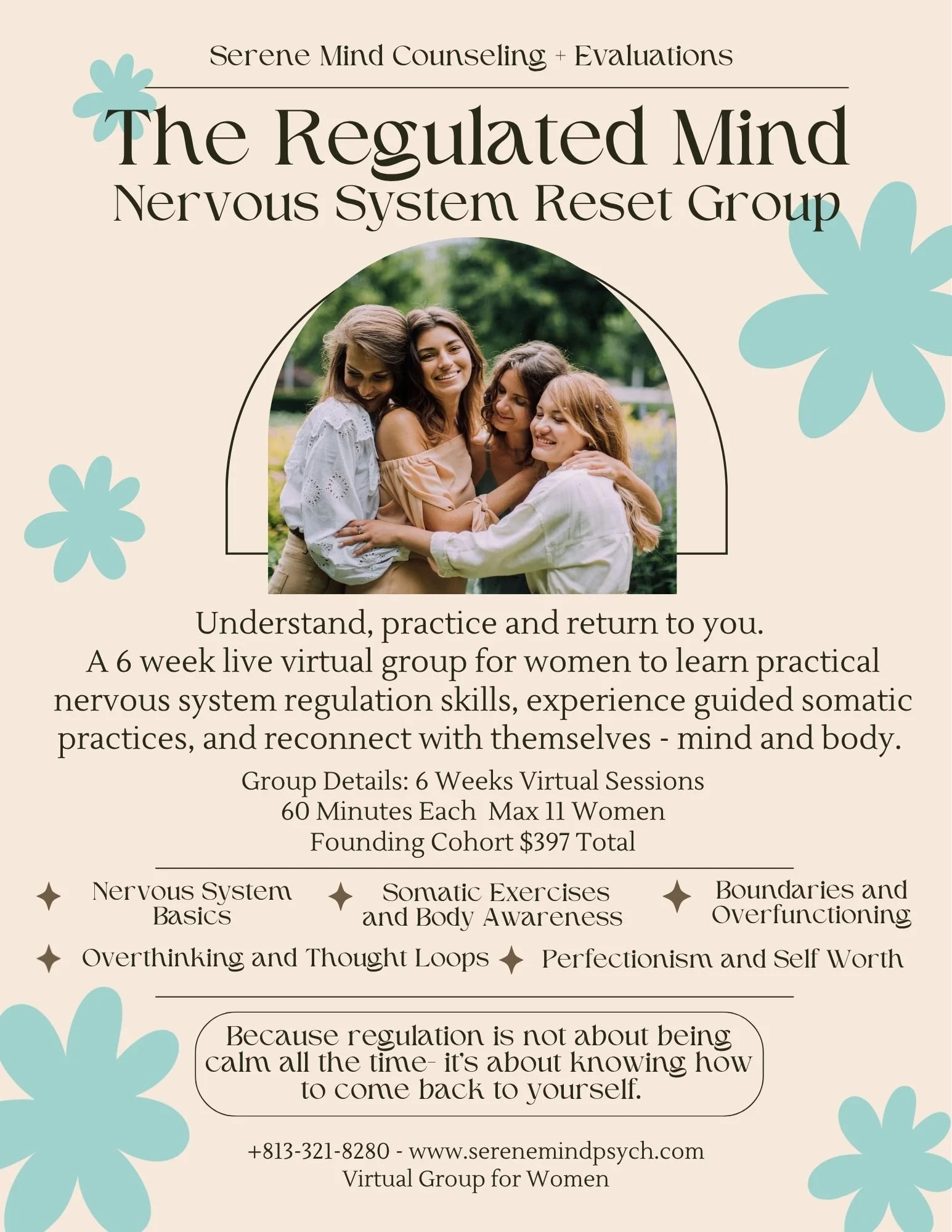
Our upcoming Nervous System Reset Group is rooted in this philosophy.

Rather than promising a quick fix or asking you to become perfectly regulated, the intention is to create a space for learning, practicing, reflecting, and developing a deeper relationship with your own nervous system.

Because sometimes the reset we need isn't another thing to accomplish.

Sometimes it's permission to pause long enough to hear ourselves again.

To notice what we've been carrying.

To understand why certain situations feel so activating.

To practice responding differently.

And to remember that underneath all the coping, protecting, performing, and surviving...

you are still there.

Maybe the work isn't about becoming a new version of yourself.

Maybe it's about finding your way back to the one who was there all along.

That is the heart of RETURN Within.

What If You Don’t Need to Fix Yourself? Learning to Return to Within

Human by Nature: Understanding the Nervous System and the Wisdom of the Body

Have you ever had a moment where your mind knew you were safe, but your body felt anything but safe?

Maybe your heart raced during a simple conversation. Maybe you felt overwhelmed by something that seemed small. Maybe you found yourself exhausted, disconnected, anxious, or stuck in patterns you couldn’t explain.

These experiences are not signs that something is wrong with you. They are signs that your body is communicating.

At the core of our human experience is a powerful system designed to protect us: the nervous system.

Your Nervous System Is Always Listening

Your nervous system is constantly scanning your environment and your experiences, asking one important question:

“Am I safe?”

Long before we consciously think through a situation, our nervous system is gathering information. It notices facial expressions, tone of voice, body language, memories, sensations, and changes in our environment.

This process helps us respond quickly when we need protection. It allows us to move away from danger, connect with others, focus on important tasks, and adapt to life’s challenges.

The nervous system is not designed to make life difficult—it is designed to help us survive.

However, when we experience ongoing stress, trauma, illness, uncertainty, or overwhelming circumstances, our nervous system can become stuck in patterns of protection.

When Protection Becomes Exhausting

Many people live with a nervous system that has been working overtime.

This may look like:

  • Feeling constantly “on edge”

  • Difficulty relaxing even when things are calm

  • Feeling overwhelmed by everyday demands

  • Trouble sleeping or feeling rested

  • Increased sensitivity to stress, emotions, or physical sensations

  • Feeling disconnected from yourself or others

  • Experiencing anxiety, shutdown, or emotional exhaustion

Often, people judge themselves for these experiences.

They may think:
“Why can’t I just calm down?”
“Why am I reacting this way?”
“Why can’t I get back to who I used to be?”

But the body is not betraying you. It is trying to protect you using the information it has collected over time.

Healing Begins With Understanding

One of the most powerful shifts we can make is moving from judgment to curiosity.

Instead of asking:
“What is wrong with me?”

We can begin asking:
“What is my nervous system trying to tell me?”

This simple change creates space for compassion.

Healing is not about forcing yourself to “get over” your experiences or ignoring what your body is communicating. It is about learning how to listen, regulate, and build a deeper relationship with yourself.

The nervous system can learn new patterns. Through supportive relationships, therapeutic work, mindfulness, body-based approaches, and intentional practices, we can help our bodies experience more safety and flexibility.

Human by Nature

Being human means having a nervous system.

It means having emotions, memories, instincts, needs, and protective responses. It means that our bodies carry wisdom from everything we have experienced.

Our nervous system is not separate from who we are—it is a fundamental part of our story.

At Serene Mind Counseling, we believe healing begins when we understand ourselves more deeply. When we recognize the connection between our thoughts, emotions, bodies, and experiences, we can begin creating meaningful change from the inside out.

Human by Nature is an invitation to explore what makes us human: our capacity to adapt, connect, heal, and grow.

Your body has been communicating with you all along.

The question is: are we ready to listen?

Human by Nature: Understanding the Nervous System and the Wisdom of the Body

Understanding Trauma: How It Affects the Mind, Body, and Relationships

When many people hear the word "trauma," they often think of major life-threatening events such as natural disasters, serious accidents, combat experiences, or physical assault. While these experiences can certainly be traumatic, trauma is often much broader and more complex than many people realize.

In recent years, mental health professionals have gained a deeper understanding of how trauma affects not only emotional well-being but also physical health, relationships, self-esteem, and daily functioning. Researchers continue to explore the ways that difficult experiences can shape the nervous system, influence behavior, and impact a person's ability to feel safe and connected.

Understanding trauma is an important step toward recognizing its effects and supporting healing.

What Is Trauma?

Trauma is often described as the emotional, psychological, and physiological response to an experience that overwhelms a person's ability to cope. While two people may experience the same event, their responses can be very different. Factors such as age, support systems, previous experiences, temperament, and overall resilience can all influence how an event is processed.

Trauma is not necessarily defined by the event itself but by its impact on the individual.

Examples of potentially traumatic experiences include:

  • Physical, emotional, or sexual abuse

  • Neglect during childhood

  • Domestic violence

  • Bullying or social rejection

  • Medical procedures or chronic illness

  • Sudden loss of a loved one

  • Serious accidents or injuries

  • Natural disasters

  • Community violence

  • Witnessing distressing events

  • Ongoing family conflict

  • Experiences of discrimination or marginalization

Some traumatic experiences occur suddenly, while others develop over time through repeated exposure to stress or adversity.

Acute Trauma, Chronic Trauma, and Complex Trauma

Mental health professionals often describe trauma using different categories.

Acute Trauma

Acute trauma results from a single distressing event. Examples may include a car accident, natural disaster, assault, or sudden loss.

Chronic Trauma

Chronic trauma occurs when an individual experiences ongoing exposure to highly stressful or threatening situations. Examples may include long-term abuse, domestic violence, chronic illness, or prolonged exposure to unsafe environments.

Complex Trauma

Complex trauma often develops when multiple traumatic experiences occur over time, particularly during childhood or within important caregiving relationships. These experiences can affect emotional development, attachment patterns, self-esteem, and the ability to regulate emotions.

Complex trauma may leave lasting effects that continue into adulthood, even when the original circumstances are no longer present.

How Trauma Affects the Brain

Trauma influences the way the brain processes information, detects danger, and stores memories.

One of the brain's primary responsibilities is survival. When a person encounters a perceived threat, the brain activates protective responses designed to keep them safe.

These responses may include:

  • Fight

  • Flight

  • Freeze

  • Fawn (people-pleasing or appeasing behaviors)

During traumatic experiences, the brain becomes highly focused on survival. In some cases, memories may be stored differently than ordinary life events. As a result, reminders of the trauma can trigger strong emotional or physical reactions even years later.

Research suggests that trauma can affect areas of the brain involved in:

  • Emotional regulation

  • Memory processing

  • Threat detection

  • Decision-making

  • Attention and concentration

This helps explain why individuals who have experienced trauma may feel as though their reactions are occurring automatically, even when they logically know they are safe.

The Nervous System and Trauma

Trauma is not solely a psychological experience. It also affects the body's nervous system.

The autonomic nervous system helps regulate bodily functions and responds to perceived danger. After a traumatic event, some individuals remain in a heightened state of alertness long after the threat has passed.

This can lead to symptoms such as:

  • Difficulty relaxing

  • Feeling constantly "on edge"

  • Sleep disturbances

  • Increased startle response

  • Muscle tension

  • Digestive concerns

  • Fatigue

  • Difficulty concentrating

Others may experience the opposite response, including emotional numbness, disconnection, low motivation, or feelings of shutdown.

These reactions are often adaptive survival responses rather than signs of weakness or personal failure.

Emotional Effects of Trauma

Trauma can influence emotional experiences in many different ways.

Some individuals experience:

  • Anxiety

  • Fear

  • Shame

  • Guilt

  • Anger

  • Sadness

  • Irritability

  • Emotional overwhelm

Others may struggle to identify or express emotions altogether.

Many trauma survivors report feeling confused by their reactions. They may wonder why certain situations trigger intense emotions or why they continue to struggle years after an event occurred.

Understanding that these reactions are often connected to the nervous system's attempts to maintain safety can help reduce self-judgment and increase self-awareness.

Trauma and Relationships

Trauma frequently affects interpersonal relationships.

When experiences involve betrayal, abandonment, criticism, neglect, or harm from trusted individuals, it can become difficult to feel safe in future relationships.

Some common relationship challenges associated with trauma include:

  • Difficulty trusting others

  • Fear of rejection

  • People-pleasing tendencies

  • Difficulty setting boundaries

  • Avoidance of intimacy

  • Fear of vulnerability

  • Sensitivity to conflict

  • Challenges with communication

These patterns often develop as protective strategies rather than intentional choices.

For example, someone who learned that conflict was dangerous during childhood may avoid disagreements as an adult. Another person who experienced inconsistent caregiving may become highly sensitive to signs of rejection.

Recognizing these patterns can be an important part of the healing process.

Trauma Can Affect Physical Health

Researchers have increasingly recognized the connection between emotional experiences and physical health.

Trauma may contribute to symptoms such as:

  • Chronic headaches

  • Digestive issues

  • Sleep problems

  • Fatigue

  • Muscle tension

  • Chronic pain

  • Changes in appetite

  • Increased stress-related health concerns

This does not mean that all physical symptoms are caused by trauma. However, chronic activation of the body's stress response can influence many physiological systems.

The mind and body are deeply interconnected, and healing often involves addressing both.

Healing From Trauma

One of the most important things to understand about trauma is that healing is possible.

Recovery does not necessarily mean forgetting what happened or eliminating all emotional responses. Rather, healing often involves helping the nervous system recognize that the danger has passed and developing new ways of responding to life's challenges.

Many people benefit from:

  • Trauma-informed psychotherapy

  • Developing emotional regulation skills

  • Mindfulness practices

  • Building supportive relationships

  • Learning healthy boundaries

  • Stress management techniques

  • Movement and body-based interventions

  • Self-compassion practices

Healing often occurs gradually and may look different for each person.

Understanding Trauma Therapy

Trauma therapy is a specialized approach designed to help individuals process difficult experiences while maintaining emotional safety and stability.

Rather than forcing someone to revisit painful memories before they are ready, trauma-informed treatment typically focuses on creating a sense of safety, building coping skills, and supporting nervous system regulation.

Approaches may include:

  • Cognitive Behavioral Therapy (CBT)

  • Eye Movement Desensitization and Reprocessing (EMDR)

  • Somatic approaches

  • Internal Family Systems (IFS)

  • Mindfulness-based interventions

  • Attachment-focused therapies

The specific approach depends on the individual's needs, goals, and experiences.

What Are Trauma Intensives?

In addition to traditional weekly therapy, some clinicians offer trauma intensives.

A trauma intensive is an extended therapeutic experience that provides several hours or multiple days of focused treatment. Rather than meeting for a single hour each week, individuals work with a therapist in a more concentrated format.

Trauma intensives have gained popularity because they allow for deeper exploration and processing without the interruptions that can occur between weekly sessions.

While not appropriate for everyone, some individuals find that this format provides:

  • More uninterrupted therapeutic time

  • Greater continuity in treatment

  • Opportunities for deeper reflection

  • A focused environment for addressing specific concerns

Trauma intensives are one option among many and should be considered in collaboration with a qualified mental health professional.

Final Thoughts

Trauma is far more common than many people realize, and its effects can extend into nearly every aspect of life. The impact may show up in emotions, physical health, relationships, self-esteem, work performance, or daily stress management.

Fortunately, growing research continues to expand our understanding of trauma and the many pathways available for healing. With education, support, and appropriate therapeutic interventions, individuals can develop greater resilience, improve emotional well-being, and create a stronger sense of safety and connection.

Understanding trauma is not only valuable for those who have experienced it personally. It also helps families, educators, healthcare providers, and communities respond with greater compassion and awareness. As our understanding grows, so does our ability to support healing and recovery for people of all ages.

Understanding Trauma: How It Affects the Mind, Body, and Relationships

The Power of Self-Compassion: How to Be Kinder to Yourself

We often show kindness and compassion to our friends and loved ones, offering them support when they are struggling. But how often do we extend that same kindness to ourselves? Self-compassion is the practice of treating yourself with the same care and understanding that you would offer to someone else. It is a crucial element of mental well-being, helping to reduce stress, increase resilience, and improve overall happiness. If you struggle with self-criticism or feel like you are never doing enough, learning to practice self-compassion can transform the way you experience life.

What is Self-Compassion?

Self-compassion, a concept popularized by Dr. Kristin Neff, involves three key elements:

  1. Self-Kindness – Being gentle with yourself rather than harshly critical.

  2. Common Humanity – Recognizing that everyone experiences struggles and imperfections.

  3. Mindfulness – Acknowledging your emotions without suppressing or exaggerating them.

Practicing self-compassion doesn’t mean ignoring your mistakes or avoiding personal growth. Instead, it means treating yourself with patience and understanding as you navigate life’s challenges.

Why Self-Compassion Matters

Many people believe that being self-critical will motivate them to work harder and do better. However, research suggests the opposite—self-compassion leads to greater motivation, emotional resilience, and well-being. Here’s why:

  • Reduces Stress & Anxiety: When you respond to failure with self-kindness instead of harsh criticism, your body remains calmer, reducing stress-related hormones like cortisol.

  • Increases Emotional Resilience: Self-compassion helps you bounce back from setbacks more quickly and prevents negative self-talk from becoming overwhelming.

  • Enhances Motivation: Instead of fearing failure, self-compassion encourages a growth mindset, making it easier to learn from mistakes and keep moving forward.

  • Improves Relationships: Being kind to yourself allows you to be more patient and understanding with others, strengthening your connections.

How to Practice Self-Compassion

If you are used to being hard on yourself, shifting toward self-compassion may feel unnatural at first. Here are some practical ways to develop this important skill:

1. Speak to Yourself Like a Friend

Imagine how you would comfort a close friend going through a difficult time. You wouldn’t tell them they are a failure or that they should just “get over it.” Instead, you would offer kind and encouraging words. Try doing the same for yourself. When you notice negative self-talk, pause and reframe your thoughts as if you were speaking to someone you care about.

2. Embrace Imperfection

Perfectionism can be a major obstacle to self-compassion. Remind yourself that making mistakes is a natural part of being human. Instead of seeing failure as a reflection of your worth, view it as an opportunity to grow. Accepting your imperfections doesn’t mean settling for mediocrity—it means understanding that you are enough just as you are.

3. Practice Mindfulness

Mindfulness allows you to acknowledge your thoughts and feelings without judgment. When you feel overwhelmed by self-criticism, take a deep breath and observe your emotions as if you were an outside observer. Recognizing that thoughts are just thoughts—not facts—can help you break free from negative self-judgment.

4. Write Yourself a Compassionate Letter

A powerful exercise in self-compassion is writing a letter to yourself from the perspective of a supportive friend. Acknowledge your struggles, express understanding, and offer words of encouragement. Re-reading this letter during difficult times can serve as a reminder to treat yourself with kindness.

5. Set Realistic Expectations

Unrealistic expectations often lead to self-criticism. While setting goals is important, ensure that they are realistic and achievable. Instead of striving for perfection, aim for progress. Celebrate small achievements along the way, and remind yourself that growth takes time.

6. Take Care of Your Well-Being

Self-compassion involves prioritizing your physical and emotional needs. Make time for activities that bring you joy, whether it’s reading, exercising, or spending time with loved ones. Listen to your body, rest when needed, and practice self-care without guilt.

Overcoming Barriers to Self-Compassion

If you struggle with self-compassion, you are not alone. Many people find it difficult due to long-standing habits of self-criticism. Here are some common barriers and how to address them:

  • Fear of Being Self-Indulgent: Some worry that self-compassion will make them lazy or complacent. However, self-compassion is not about making excuses—it’s about fostering a healthy mindset that leads to growth.

  • Belief That Self-Criticism is Necessary: While self-reflection is important, constant self-judgment can be damaging. Constructive self-awareness is different from harsh criticism.

  • Difficulty Accepting Kindness: If you are used to being hard on yourself, receiving kindness (even from yourself) may feel uncomfortable. Start small—acknowledge your efforts and practice gratitude for your strengths.

Being kinder to yourself is not a luxury—it is essential for mental well-being. Self-compassion allows you to navigate challenges with greater ease, build resilience, and foster a healthier relationship with yourself. By practicing self-kindness, mindfulness, and embracing imperfection, you can transform the way you view yourself and the world around you.

Next time you catch yourself being overly critical, pause and ask: “How would I speak to a friend in this situation?” The answer can be the first step toward a more compassionate and fulfilling life.

The Power of Self-Compassion: How to Be Kinder to Yourself

Empowering Women: The Transformative Power of Mindfulness, Self-Care, and Friendships in Women's Groups

In the fast-paced and demanding world we live in, women often find themselves juggling numerous roles and responsibilities. The importance of self-care, mindfulness, and meaningful connections cannot be overstated. Women's groups, dedicated to fostering mindfulness, self-care practices, and building friendships, offer a transformative space where women can prioritize their mental health and well-being. In this blog post, we will explore the profound impact of women's groups on fostering mindfulness, encouraging self-care, and cultivating enduring friendships.

Mindfulness in Women's Groups:

  1. Creating a Sacred Space:

    Women's groups provide a safe and nurturing environment for practicing mindfulness. In these groups, participants can engage in meditation, deep breathing exercises, and guided relaxation sessions, creating a sacred space where they can focus on the present moment and cultivate a sense of inner calm.

  2. Mindful Reflection and Sharing:

    Mindfulness in women's groups goes beyond individual practice. Group settings offer opportunities for mindful reflection and sharing, allowing women to express their thoughts and feelings without judgment. This collective mindfulness enhances emotional intelligence and promotes a deeper understanding of oneself and others.

  3. Stress Reduction and Resilience:

    Regular mindfulness practices within women's groups contribute to stress reduction and increased resilience. By learning to stay present and manage their responses to stressors, women can navigate life's challenges with greater ease, promoting mental well-being and emotional balance.

Self-Care Practices:

  1. Holistic Wellness Workshops:

    Women's groups often organize workshops that focus on holistic self-care practices. These may include sessions on nutrition, exercise, sleep hygiene, and other aspects of well-being. Participants gain valuable insights and practical tools to integrate self-care into their daily lives.

  2. Personalized Self-Care Plans:

    Through discussions and activities within the group, women can collaboratively create personalized self-care plans. These plans cater to individual needs and preferences, empowering each participant to prioritize their well-being and develop sustainable self-care routines.

  3. Encouraging Boundaries:

    Women's groups provide a supportive space for discussing and establishing healthy boundaries. Through open conversations, women can explore the importance of setting limits, saying no when necessary, and creating a balance between their personal and professional lives.

Building Lasting Friendships:

  1. Shared Experiences:

    Women's groups foster a sense of camaraderie through shared experiences. Whether navigating life transitions, celebrating achievements, or supporting each other through challenges, these shared moments create deep bonds that form the foundation of lasting friendships.

  2. Empathy and Understanding:

    The empathetic environment of women's groups facilitates a deep understanding of each other's journeys. This understanding, coupled with active listening and open communication, strengthens connections and encourages women to be authentic in their relationships.

  3. Celebrating Diversity:

    Women's groups often bring together individuals from diverse backgrounds, creating a rich tapestry of experiences and perspectives. Celebrating this diversity not only enriches the group dynamic but also broadens each woman's understanding of the world.

  4. Ongoing Support Networks:

    The friendships formed in women's groups extend beyond the group meetings. These networks become invaluable sources of support, encouragement, and inspiration in both challenging times and moments of joy. Knowing that they are not alone in their journey enhances a woman's sense of belonging and resilience.

Women's groups that focus on mindfulness, self-care, and building friendships offer a profound space for personal growth and well-being. By embracing mindfulness practices, incorporating self-care into their lives, and cultivating meaningful connections, women can navigate the complexities of modern life with resilience, authenticity, and a strengthened sense of community. As we recognize the transformative power of these groups, we celebrate the collective strength of women supporting each other on their journeys toward mental and emotional flourishing.

Empowering Women: The Transformative Power of Mindfulness, Self-Care, and Friendships in Women's Groups Tampa Women Group therapy 33606 33629 33611 33609

Embracing Mindful Moments: A Joyful and Connected Holiday Break with Your Family

The holiday season is a magical time, filled with warmth, joy, and the spirit of togetherness. Amidst the hustle and bustle, it's crucial to pause and savor the moments with your family mindfully.

This guide explores practical ways to cultivate mindfulness during your holiday break, fostering deeper connections and creating lasting memories.

Set Intentions:

Begin your holiday break by setting positive intentions. Reflect on the values you want to emphasize during this time, such as gratitude, compassion, and presence. Share these intentions with your family to create a shared sense of purpose and mindfulness.

Unplug and Be Present:

In our fast-paced digital age, it's easy to get caught up in screens and devices. Designate specific times to unplug from technology and be fully present with your family. Whether it's during meals, holiday activities, or quiet moments, prioritize face-to-face interactions to deepen your connections.

Mindful Mealtime:

Transform your family meals into mindful experiences. Encourage everyone to savor each bite, appreciating the flavors and textures. Create a relaxed atmosphere by dimming lights, playing soft music, and engaging in meaningful conversations. This mindful approach to meals fosters gratitude and strengthens family bonds.

Nature Walks and Outdoor Activities:

Take advantage of the holiday break to connect with nature. Plan family walks, hikes, or outdoor activities that allow everyone to unwind and appreciate the beauty of the season. Encourage mindfulness by paying attention to the sights, sounds, and sensations of the natural world around you.

Gratitude Rituals:

Incorporate gratitude practices into your holiday routine. Set aside time each day for family members to express what they are grateful for. Create a gratitude jar where everyone can drop notes of appreciation, fostering a positive and thankful atmosphere.

Mindful Crafts and Activities:

Engage in creative and mindful activities as a family. Whether it's decorating cookies, crafting holiday ornaments, or creating a vision board for the upcoming year, these activities provide an opportunity to focus on the present moment and collaborate on shared projects.

Mindful Breathing and Relaxation:

Introduce simple mindfulness exercises, such as deep breathing or guided relaxation, to promote a sense of calm and tranquility. Gather as a family for short sessions, helping everyone recharge and find moments of peace amid the holiday excitement.

Volunteer Together:

Embrace the true spirit of the season by giving back as a family. Volunteer at local charities or participate in community service projects. This shared experience not only instills a sense of gratitude but also strengthens the bonds within your family.

Mindful Reflection:

Allocate time for reflective practices individually and as a family. Encourage everyone to share their thoughts and experiences from the holiday break, fostering open communication and understanding. Reflecting on the positive moments can create a sense of fulfillment and connection.

By infusing mindfulness into your holiday break, you can create a meaningful and joyful experience for your family. These practices not only enhance your connection with each other but also contribute to a sense of well-being that extends beyond the holiday season. Embrace the present moment, cherish your loved ones, and savor the richness of this special time together.

Embracing Mindful Moments: A Joyful and Connected Holiday Break with Your Family Women Group Teen Group 33606 33629 33609 33611

Mindfulness for Everybody - A Therapy Approach

Participating in “Mindfulness” is probably something the internet has told you to do a thousand times.

But, it is often hard to participate when we either don’t understand or don’t know how. So, what exactly is it?

The answer to that question can come in many forms. Being mindful about a situation is the process of entering the state of consciousness or awareness of something. Learning to be mindful means we can first focus on that awareness and direct it toward our present moment and simultaneously acknowledge and accept one’s own thoughts and feelings in a therapeutic way. 

Mindfulness comes in many forms the most common one being meditation.

The misconception of meditation is that it has to be something you do alone, in a quiet place, where you have to be still and have zero thoughts. I don't know about you but that just may not be an option.

The good news is, there are so many other options for us to utilize being mindful without the absence of all internal thought. 

Movement meditation is the first idea that may come to mind. Understanding our bodies' physical limitations can help us determine our mental limitations as well. This can look like yoga, running, mindful walking, or even dancing. Anything that allows us to be in the present moment, giving our bodies’ the love, appreciation, and attention it needs, can be a form of meditation. 

Mindfulness meditation is the form of meditation mentioned above. You can use this by finding a place where you can remain sitting, alone, in a quiet place, listening to your breath and pushing away intrusive thoughts. Mindfulness meditation will take hours of practice and you may not be able to do this on your first try. Being forgiving toward your thoughts and being patient with yourself are going to be common themes while practicing this type of meditation. 

Guided meditation may be a better fit for you if mindful meditation sounds too difficult or daunting. This type of meditation takes some of the pressure off of you, allowing you to relax and find peace and calm within someone else’s words or guidance. These practices can be short or long, they can aid in sleep, self-esteem, or even alertness for the day ahead. 

Visualization is the process of picturing your thoughts and intentions under a positive light in your mind's eye. Visualization can help you project the things you want to accomplish into the universe, similar to an affirmation. Sometimes, taking the time to visualize a phrase, goal, or intention can help you identify the goals you are truly working towards more clearly. 

Mantra meditation works to occupy your mind with repetition of sounds and phrases, often an affirmation or intention, clearing your mind of its typical internal dialogue. This works by picking a daily mantra, short or long, and either silently or aloud repeating it to yourself for a set period of time. An example of a mantra could be “I am present.” 

Building positive mindfulness skills can increase our situational awareness, help regulate our emotions, and learn to accept our thoughts and feelings more accurately. 

Mindfulness for Everybody