
What If You Don’t Need to Fix Yourself? Learning to Return to Within

Have you ever wondered why you can understand something logically and still feel completely overwhelmed by it?

You know you need to slow down, but you can't seem to stop.

You know you should set the boundary, but you feel guilty.

You tell yourself you're safe, yet your body still feels anxious.

You finally get a moment to rest, but instead of feeling peaceful, you feel restless, uncomfortable, or like you should be doing something.

Maybe you've tried mindfulness, breathing exercises, therapy, journaling, meditation, or other nervous system regulation techniques. Some things help—at least temporarily—but you still find yourself returning to the same patterns.

If this sounds familiar, there may be something important to understand:

You may not need to fix yourself. You may need to learn how to return to yourself.

When Your Nervous System Is Always "On"

Our nervous systems are constantly taking in information from our bodies, our environments, our relationships, and our experiences.

When we experience ongoing stress, trauma, uncertainty, burnout, conflict, major life changes, or simply too much for too long, our bodies can begin responding as though they are continually preparing for something.

This can show up in many different ways.

You might feel anxious or restless. You might become easily irritated or overwhelmed. You may find yourself overthinking everything, having difficulty sleeping, struggling to concentrate, or feeling like your brain never really shuts off.

For someone else, nervous system dysregulation might look completely different.

It might look like exhaustion.

Numbness.

Disconnection.

Difficulty making decisions.

Feeling emotionally "flat."

Wanting to withdraw from everyone.

Neither response means you are broken.

Your nervous system is designed to protect you.

The challenge is that sometimes our protective patterns continue long after the original stressor has passed.

The Problem With Trying to "Fix" Yourself

When we're struggling, it's incredibly easy to turn inward with criticism.

"Why am I still like this?"

"Why can't I just calm down?"

"Other people seem to handle this better."

"I should be further along by now."

For many people, this becomes another layer of stress on an already overwhelmed nervous system.

We try harder.

We become more disciplined.

We add another wellness routine.

Another supplement.

Another meditation.

Another productivity system.

Another thing we're supposed to do correctly.

But nervous system regulation isn't about becoming perfectly calm all the time.

Regulation is about developing a different relationship with what is happening inside of you.

It's learning to notice.

To become curious.

To listen.

To respond.

And, over time, to recognize what helps you feel more connected to yourself.

This Is Where "Returning Within" Begins

The idea behind the RETURN Within Method™ is simple:

Sometimes healing isn't about becoming someone different.

It's about reconnecting with the person who is already there underneath the survival patterns, expectations, fear, perfectionism, people-pleasing, and constant pressure to hold everything together.

Returning within means learning to recognize what your body is communicating rather than immediately judging it.

It means becoming curious about your patterns instead of criticizing them.

It means asking:

What is happening inside me right now?

What might my nervous system be responding to?

What do I actually need?

What would help me feel a little safer, more supported, or more connected?

These questions can begin creating space between the experience you're having and the automatic response that follows.

And that space matters.

Who Might Benefit From Nervous System Work?

Nervous system education can be especially meaningful for people who feel like they are constantly operating in survival mode.

You might relate if you:

  • Feel overwhelmed by everyday responsibilities

  • Experience chronic stress or burnout

  • Struggle with anxiety or racing thoughts

  • Find yourself constantly people-pleasing

  • Have difficulty setting boundaries without guilt

  • Feel responsible for everyone else's emotions

  • Are a perfectionist who has difficulty slowing down

  • Feel disconnected from your body or emotions

  • Notice that stress affects your sleep, energy, mood, or relationships

  • Understand your patterns intellectually but still struggle to change them

  • Feel exhausted from constantly "holding it all together"

You don't have to identify with every one of these experiences.

And nervous system work isn't about finding another label for yourself.

It's about developing a deeper understanding of your own patterns.

From Awareness to Practice

Understanding your nervous system is one piece of the process.

The next piece is learning what to do with that awareness.

This is where somatic approaches can be helpful.

Somatic work brings attention to the relationship between the mind and body. Rather than focusing only on what you're thinking, you begin noticing sensations, impulses, emotions, breathing, movement, tension, and other signals your body may be communicating.

There isn't one magical nervous system regulation technique that works for everyone.

For one person, grounding may help.

For another, gentle movement.

For someone else, connection with a trusted person.

Sometimes the most regulating thing you can do is recognize that you're overwhelmed and give yourself permission to stop pushing.

The goal isn't to control every nervous system response.

It's to develop a growing toolbox—and, more importantly, to learn how to listen to yourself.

Introducing the RETURN Within Method™

The RETURN Within Method™ was created around this idea of coming back to yourself.

It provides a framework for exploring nervous system patterns with curiosity and compassion:

Recognize what is happening.

Explore the patterns underneath it.

Tend to yourself with compassion.

Understand your unique nervous system.

Regulate through personalized practices.

Navigate real-life situations with greater awareness.

And then...

Return Within.

Not because life will suddenly become stress-free.

Not because you'll never become overwhelmed again.

But because you can begin developing the skills to notice when you've moved away from yourself—and find your way back.

A Different Kind of Nervous System Reset

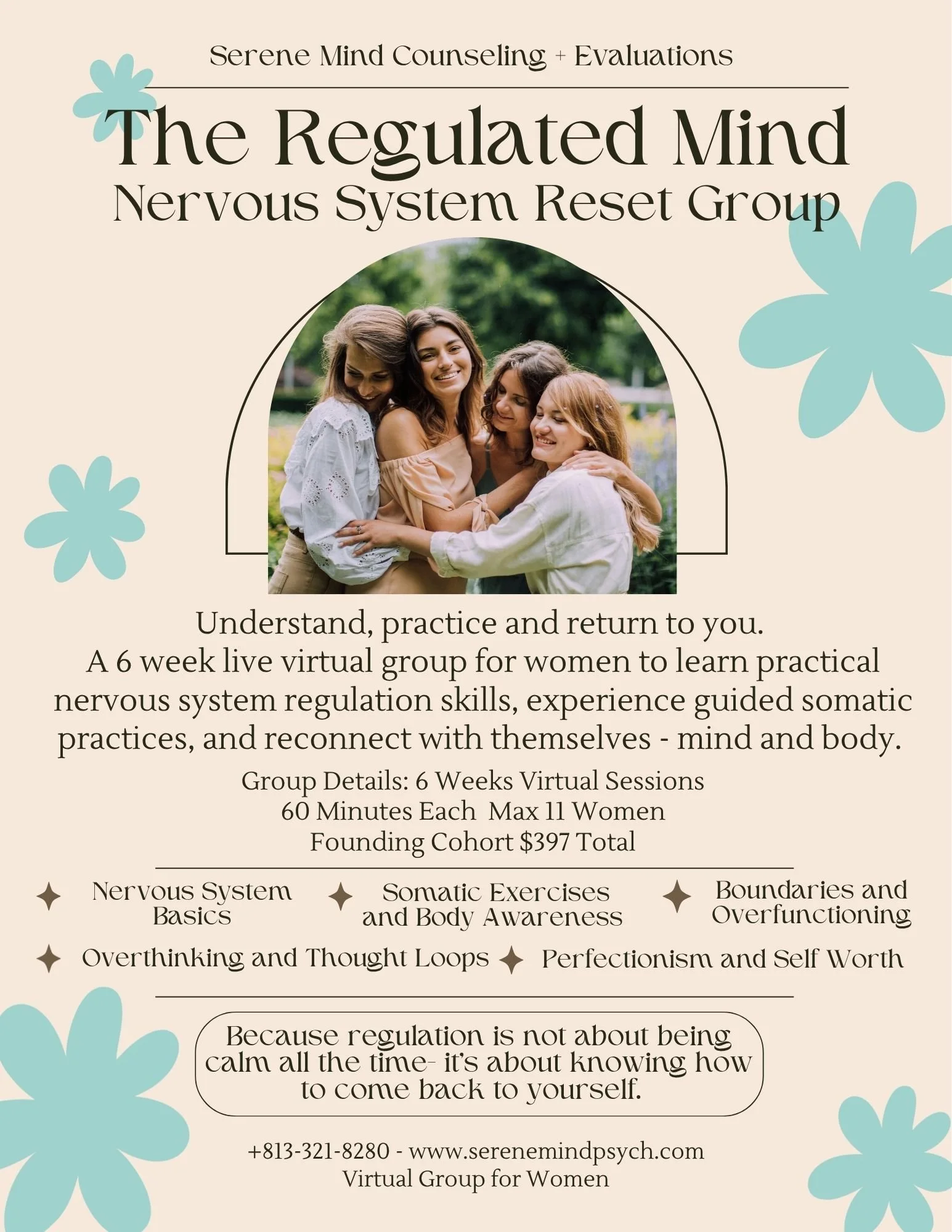
Our upcoming Nervous System Reset Group is rooted in this philosophy.

Rather than promising a quick fix or asking you to become perfectly regulated, the intention is to create a space for learning, practicing, reflecting, and developing a deeper relationship with your own nervous system.

Because sometimes the reset we need isn't another thing to accomplish.

Sometimes it's permission to pause long enough to hear ourselves again.

To notice what we've been carrying.

To understand why certain situations feel so activating.

To practice responding differently.

And to remember that underneath all the coping, protecting, performing, and surviving...

you are still there.

Maybe the work isn't about becoming a new version of yourself.

Maybe it's about finding your way back to the one who was there all along.

That is the heart of RETURN Within.
What If You Don’t Need to Fix Yourself? Learning to Return to Within

Guiding Your Child Through Stress: Effective Coping Strategies

Childhood is a time of growth and exploration, but it's not without its challenges. From school pressures to social interactions, children can experience stress just like adults. As a parent, you play a crucial role in helping your child develop healthy coping mechanisms to navigate stress.

Here are effective strategies to guide your child through stressful situations:

1. Open Communication:

Create an environment where your child feels comfortable discussing their feelings. Encourage them to express what's bothering them, and actively listen without judgment. Sometimes, sharing their stress with a trusted adult can offer immediate relief.

2. Teach Relaxation Techniques:

Introduce relaxation techniques that your child can use when they feel stressed. Deep breathing, mindfulness exercises, and progressive muscle relaxation can help calm their mind and body. Practice these techniques together to make them a natural part of their routine.

3. Promote Physical Activity:

Physical activity is a natural stress reliever. Encourage your child to engage in activities they enjoy, whether it's playing a sport, riding a bike, or dancing. Regular exercise boosts mood, reduces anxiety, and helps them blow off steam.

4. Establish a Routine:

A consistent routine provides a sense of stability and predictability. Structure their day with a balance of study time, playtime, and relaxation. Knowing what to expect can reduce uncertainty and ease stress.

5. Encourage Healthy Habits:

A balanced diet, adequate sleep, and proper hydration contribute to resilience against stress. Ensure your child gets the nutrition and rest they need to manage stress effectively.

6. Problem-Solving Skills:

Teach your child problem-solving skills by breaking down challenges into smaller, manageable steps. Brainstorm solutions together and help them weigh the pros and cons of each option. This empowers them to tackle stressors head-on.

7. Limit Over-Scheduling:

While extracurricular activities are beneficial, over-scheduling can overwhelm your child. Find a healthy balance that allows them time for relaxation, hobbies, and spending quality time with family.

8. Encourage Positive Self-Talk:

Help your child recognize and reframe negative thoughts. Teach them to replace self-critical statements with positive affirmations. Cultivating a positive self-image can enhance their ability to cope with stress.

9. Model Healthy Coping:

Children often learn by example. Demonstrate healthy coping mechanisms by managing your own stress effectively. Show them how you handle challenges in a calm and constructive manner.

10. Seek Professional Help if Needed:

If your child's stress seems persistent or overwhelming, consider seeking professional help. A school counselor or a child therapist (like the team at Serene Mind) can provide specialized support to help your child manage their stress.

Conclusion: Helping your child cope with stress equips them with essential life skills that will serve them well into adulthood. By fostering open communication, promoting healthy habits, and teaching effective coping strategies, you empower your child to handle challenges with resilience and confidence. Remember that your support and guidance play a vital role in shaping their ability to navigate stress and lead a balanced, fulfilling life. 🌟🌈 #ParentingTips #ChildhoodStress #CopingStrategies

Serene Mind Blog Title: Guiding Your Child Through Stress: Effective Coping Strategies Tampa Therapist 33606 33629 33611 33606

6 Ways to Ensure a Successful First Day Back to School

The start of a new school year can bring mixed emotions - excitement, nervousness, and a touch of uncertainty. Ensuring a successful first day back not only sets a positive tone for the academic year but also contributes significantly to your mental well-being.

Here are six effective strategies to make your return to school a mentally healthy and successful experience:

1. Prepare Ahead:

Proper preparation can alleviate anxiety. Organize your school supplies, pack your bag, and lay out your outfit the night before. This simple act can ease your mind and ensure a smooth morning routine.

2. Establish a Calming Morning Routine:

Begin your day with activities that promote calmness. Whether it's a few minutes of meditation, a light breakfast, or a short walk, these rituals can set a positive tone for the day.

3. Positive Affirmations:

Start your day with positive self-talk. Remind yourself of your strengths, capabilities, and past achievements. Repeating affirmations can help boost your confidence and reduce self-doubt.

4. Connect with Friends:

Reconnecting with friends can ease the transition back to school. Social interactions provide a sense of belonging and support, which are crucial for mental well-being.

5. Set Realistic Expectations:

It's normal to feel a mix of excitement and nervousness. Remember that nobody has a perfect first day. Set realistic expectations for yourself and focus on the progress you make rather than striving for perfection.

6. Practice Self-Care:

Throughout the day, prioritize self-care. Take short breaks between classes to stretch, practice deep breathing, or simply relax. Stay hydrated, eat balanced meals, and ensure you get a good night's sleep afterward.

Remember, a successful first day goes beyond academics. Prioritizing your mental well-being contributes to your overall success and happiness throughout the school year. Approach the day with positivity, self-compassion, and the belief that you have the tools to handle whatever comes your way. 🌟📚 #BackToSchool #MentalHealthMatters #PositiveStart

3 Tips to Reduce Stress - A Mental Health Perspective

Every once in a while, we think we have it all together and then we take a long moment and figure out that we just DO NOT. And that is okay for a little while. It is totally fine to have a break down and freak out for a few hours. When the weight of a tough semester, the job you hate, and the stresses of a rough breakup get to you, it is okay to momentarily question all of your life choices. It is okay to lock yourself in your room and cry about absolutely nothing. It is definitely okay to eat an entire pint of ice cream in pajamas and binge watch Netflix for a night.

But, eventually, we have to get it together. Eventually we have to get up and leave our room. Eventually the meltdown has to end. When life starts to get though, whether by the stressors of school, a relationship, or your job, when you cannot seem to find your own purpose, I have some tips and tricks to just give you a little push on your road to feeling better.

1. Exercise: Some people benefit from a long run around the block and other people like to lift weights. Yoga, on the other hand, is my guilty pleasure and (BONUS) does not have to be strenuous or even hard at all. Any form of exercise is healthy and can be beneficial but sometimes when your head is up in the clouds a little Downward Dog is all you need to bring you back to reality. If your school offers free yoga classes, give it a try. If you don't have access to free classes and you don’t feel like paying to go, there are plenty of apps you can download on your smart devices to get you started with the basics. Following inspirational people like Rachel Brathen, also known as Yoga Girl, and listening to podcasts might help you realize that you are not alone in your struggles. Some Sava Sana may be all you need to kick that funk you are in.

2. Self-love: When you realize the only thing you have had to eat for the past week is Target brand coffee and microwaved Ramen Noodles maybe it is time to splurge. Go treat yourself to your favorite sushi roll, put on a face mask, wear PJs all day because you can. When you notice... hmm maybe you do not remember the last time you trimmed your facial hair or shaved your legs... take a long shower. Clean yourself up. The better you feel physically, the better you will feel mentally. Do not be afraid to tell your friends you are busy and take a personal day.

3. Connect with someone: If all else fails, we are here for a reason and we are all human. Find someone you can talk to and find some support in them. Maybe it is your sibling, or your parent, or maybe even your roommate, but it may help to just let it all out. But if you do not, talking to a therapist or counselor can really do your mind some justice by giving you a safe space to vent. Some schools offer free help sessions for student who feel like they can not handle the stress alone, too. The world may seem like a lot sometimes and it is not wrong to ask for someone to listen.

Being a person is hard. Sometimes we forget how much we do, and how stressful everyday life can be. Taking time to focus on ourselves and finding purpose in our day to day routine can bring us great happiness and joy. Be grateful for your struggles, they will only make you stronger.

 
3 Tips to Reduce Stress