
Why Anxiety Can Feel Physical: Understanding the Brain, Body, and Nervous System

Have you ever known logically that you were okay, but your body seemed to tell a different story?

Maybe your heart was racing before a difficult conversation. Maybe your shoulders stayed tense long after a stressful day. Perhaps you found yourself feeling restless, overwhelmed, exhausted, or unable to settle down even when nothing particularly stressful was happening.

You might have tried reminding yourself that everything was fine. You might have practiced deep breathing, distracted yourself, or told yourself to stop worrying.

And yet, the feelings remained.

If this sounds familiar, you're not alone.

At Serene Mind Counseling + Evaluations, we understand that anxiety isn't always experienced as a thought. Sometimes it shows up physically, emotionally, behaviorally, or in ways that are difficult to explain.

Understanding the relationship between your brain, body, and nervous system can be one helpful step toward understanding what you're experiencing.

Why Does Anxiety Affect the Body?

Anxiety involves more than worrying about something that might happen.

When your brain perceives a possible threat or challenge, your body can activate physiological responses designed to help you respond. Your heart rate may increase, your breathing may change, your muscles may tense, and your attention may become more focused on potential danger.

These responses can be useful in situations that require quick action. However, they can also feel uncomfortable when they occur frequently or when it's difficult to settle afterward.

Anxiety can affect people differently. Some people notice racing thoughts, while others primarily experience physical sensations or a persistent sense of uneasiness.

Common experiences can include:

  • Muscle tension or jaw clenching

  • A racing heart or feeling keyed up

  • Restlessness or difficulty sitting still

  • Stomach discomfort

  • Difficulty concentrating

  • Trouble falling asleep

  • Irritability or feeling easily overwhelmed

  • Feeling exhausted after periods of stress

  • Difficulty transitioning from work or responsibilities into rest

These symptoms can have many possible causes. Physical symptoms shouldn't automatically be attributed to anxiety, particularly when they're new, persistent, severe, or unexplained. A healthcare professional can help determine whether medical evaluation is needed.

What Is the Connection Between the Brain and Nervous System?

Your brain and nervous system help you interpret information, respond to your surroundings, and coordinate many of your body's functions.

Stressful experiences, uncertainty, conflict, demanding schedules, and difficult life transitions can all influence how you feel and respond.

For example, imagine that you have spent the entire day managing work responsibilities, caring for your family, and making decisions.

When the day finally ends, you might expect to feel relieved.

Instead, you may find yourself replaying conversations, anticipating tomorrow's responsibilities, or feeling too restless to enjoy your evening.

This doesn't necessarily mean something is wrong with you.

It may reflect a combination of ongoing demands, learned patterns of responding to stress, difficulty transitioning between responsibilities, sleep disruption, and other factors.

The brain-body connection offers a way to become curious about these experiences rather than judging yourself for having them.

Why Can't I Just Relax?

This is a question many people ask themselves.

You might know that taking a break would be helpful. You may understand that a situation is manageable. You might even recognize that your worries aren't entirely realistic.

But knowing something intellectually doesn't always change how you feel emotionally or physically.

Stress responses can be influenced by previous experiences, current circumstances, habits, physical health, and the environment around you.

For some people, anxiety also becomes a cycle. A physical sensation feels frightening, the sensation increases worry, and the additional worry makes the sensation more noticeable.

Counseling can help you explore these patterns, understand what contributes to them, and develop strategies that fit your circumstances.

The goal isn't to blame your nervous system or force yourself to feel calm. It's to better understand your experience and learn different ways of responding.

How Can Counseling Help With Anxiety?

Anxiety counseling can provide space to explore both the thoughts and experiences contributing to distress.

Depending on your needs, therapy may involve:

Understanding anxiety patterns. Recognizing situations, thoughts, emotions, and behaviors that contribute to anxiety.

Learning practical coping skills. Developing approaches for responding to worry, uncertainty, and overwhelming emotions.

Exploring past experiences. Understanding how earlier experiences may influence current reactions when that connection is relevant.

Building awareness of body sensations. Learning to notice physical signs of stress without automatically interpreting them as danger.

Practicing new responses. Developing ways to approach situations that anxiety has made difficult.

Different therapeutic approaches may be helpful for different people. Cognitive behavioral therapy (CBT), for example, is an established treatment for many anxiety disorders. Your therapist can help you understand available approaches and consider what may fit your goals.

At Serene Mind Counseling + Evaluations, we take a compassionate, individualized approach. You don't have to arrive with a clear explanation of what you're feeling. Sometimes the first step is simply having space to talk about it.

What About Nervous System Wellness and Neurofeedback?

Some people exploring anxiety also become curious about the relationship between brain activity, stress, and nervous system wellness.

This interest may lead them to explore educational resources, body-awareness practices, or technology-based approaches such as neurofeedback.

Neurofeedback uses information about brain activity as part of a feedback process. Different neurofeedback systems use different protocols, and the evidence for one approach should not automatically be applied to another.

LENS Neurofeedback, offered by our sister company, Serene Mind Neuro + Wellness in South Tampa, is a passive, technology-based approach to brain wellness.

It is distinct from psychotherapy. It should not be presented as a proven treatment for anxiety, and the evidence does not establish that LENS treats anxiety disorders.

For individuals who are curious about this approach, learning how it works, understanding the available research, and asking questions about its limitations can help inform their decisions.

You can explore the service here: LENS Neurofeedback in Tampa, FL.

Serene Mind Neuro + Wellness also offers information about nervous system wellness, with a focus on understanding stress, recovery, body awareness, and everyday experiences.

These wellness services are not substitutes for appropriate medical or mental health care. If anxiety is affecting your daily life, counseling or a conversation with a healthcare professional may be an appropriate place to begin.

What Can You Do When You Feel Overwhelmed?

There is no single strategy that works for everyone, but a few small steps may help you become more aware of what you need.

  • Notice your patterns. Consider when anxiety tends to show up and what is happening around you.

  • Reduce unnecessary demands where possible. You may not be able to remove every stressor, but you may be able to adjust expectations or create more space between responsibilities.

  • Pay attention to basic needs. Sleep, nourishment, hydration, movement, and connection can influence how you feel.

  • Experiment with gentle grounding. Some people find it helpful to notice their surroundings, feel their feet on the floor, or take a comfortable pause. Stop if a practice makes you feel worse.

  • Seek support when you need it. You don't have to wait until anxiety becomes unmanageable before talking with someone.

These suggestions are not a replacement for individualized care. They are simply possible starting points for understanding yourself with more curiosity and less self-criticism.

Anxiety Counseling in Tampa and Jacksonville

If anxiety is making it difficult to sleep, concentrate, enjoy relationships, or move through daily life, you deserve support that takes your experience seriously.

Serene Mind Counseling + Evaluations offers compassionate counseling for children, teens, adults, couples, and families, with services in Tampa and Jacksonville and telehealth options where available.

You don't need to know exactly why you're feeling the way you do before reaching out.

You can start with what you've noticed, what feels difficult, and what you'd like to change.

Explore anxiety counseling at Serene Mind Counseling + Evaluations to learn more about our approach and available services.

Frequently Asked Questions

Can anxiety cause physical symptoms?

Yes. Anxiety can be associated with physical responses such as muscle tension, restlessness, changes in heart rate, and stomach discomfort. However, physical symptoms can have other causes, so persistent or concerning symptoms should be evaluated by a healthcare professional.

Why do I feel anxious even when nothing is wrong?

Anxiety can be influenced by accumulated stress, uncertainty, learned responses, sleep difficulties, and other factors. Sometimes the reason isn't immediately obvious. Exploring your experiences with a qualified professional may help you better understand your patterns.

Is nervous system regulation the same as anxiety treatment?

No. Nervous system wellness may involve learning about stress responses, body awareness, and recovery. Anxiety treatment is individualized and may involve psychotherapy, medication management when appropriate, or other evidence-based care.

Can LENS Neurofeedback treat anxiety?

LENS Neurofeedback is a passive neurofeedback approach offered as part of brain wellness services. Current evidence does not establish it as a proven treatment for anxiety disorders. Anyone considering it should understand its limitations and continue appropriate mental health care.

When should I seek counseling for anxiety?

Consider seeking support when anxiety is persistent, distressing, interfering with daily activities, or making relationships, sleep, work, or parenting more difficult. You don't need to wait until you're in crisis.

Where can I find anxiety counseling in Tampa or Jacksonville?

Serene Mind Counseling + Evaluations offers counseling services in Tampa and Jacksonville, as well as telehealth options where available. Visit our website to learn more about our services and how to get started.

A final reminder: You don't have to understand every part of your experience before you deserve support. Sometimes the first step is simply having a place to begin.

LENS Neurofeedback Tampa FL

What If You Don’t Need to Fix Yourself? Learning to Return to Within

Have you ever wondered why you can understand something logically and still feel completely overwhelmed by it?

You know you need to slow down, but you can't seem to stop.

You know you should set the boundary, but you feel guilty.

You tell yourself you're safe, yet your body still feels anxious.

You finally get a moment to rest, but instead of feeling peaceful, you feel restless, uncomfortable, or like you should be doing something.

Maybe you've tried mindfulness, breathing exercises, therapy, journaling, meditation, or other nervous system regulation techniques. Some things help—at least temporarily—but you still find yourself returning to the same patterns.

If this sounds familiar, there may be something important to understand:

You may not need to fix yourself. You may need to learn how to return to yourself.

When Your Nervous System Is Always "On"

Our nervous systems are constantly taking in information from our bodies, our environments, our relationships, and our experiences.

When we experience ongoing stress, trauma, uncertainty, burnout, conflict, major life changes, or simply too much for too long, our bodies can begin responding as though they are continually preparing for something.

This can show up in many different ways.

You might feel anxious or restless. You might become easily irritated or overwhelmed. You may find yourself overthinking everything, having difficulty sleeping, struggling to concentrate, or feeling like your brain never really shuts off.

For someone else, nervous system dysregulation might look completely different.

It might look like exhaustion.

Numbness.

Disconnection.

Difficulty making decisions.

Feeling emotionally "flat."

Wanting to withdraw from everyone.

Neither response means you are broken.

Your nervous system is designed to protect you.

The challenge is that sometimes our protective patterns continue long after the original stressor has passed.

The Problem With Trying to "Fix" Yourself

When we're struggling, it's incredibly easy to turn inward with criticism.

"Why am I still like this?"

"Why can't I just calm down?"

"Other people seem to handle this better."

"I should be further along by now."

For many people, this becomes another layer of stress on an already overwhelmed nervous system.

We try harder.

We become more disciplined.

We add another wellness routine.

Another supplement.

Another meditation.

Another productivity system.

Another thing we're supposed to do correctly.

But nervous system regulation isn't about becoming perfectly calm all the time.

Regulation is about developing a different relationship with what is happening inside of you.

It's learning to notice.

To become curious.

To listen.

To respond.

And, over time, to recognize what helps you feel more connected to yourself.

This Is Where "Returning Within" Begins

The idea behind the RETURN Within Method™ is simple:

Sometimes healing isn't about becoming someone different.

It's about reconnecting with the person who is already there underneath the survival patterns, expectations, fear, perfectionism, people-pleasing, and constant pressure to hold everything together.

Returning within means learning to recognize what your body is communicating rather than immediately judging it.

It means becoming curious about your patterns instead of criticizing them.

It means asking:

What is happening inside me right now?

What might my nervous system be responding to?

What do I actually need?

What would help me feel a little safer, more supported, or more connected?

These questions can begin creating space between the experience you're having and the automatic response that follows.

And that space matters.

Who Might Benefit From Nervous System Work?

Nervous system education can be especially meaningful for people who feel like they are constantly operating in survival mode.

You might relate if you:

  • Feel overwhelmed by everyday responsibilities

  • Experience chronic stress or burnout

  • Struggle with anxiety or racing thoughts

  • Find yourself constantly people-pleasing

  • Have difficulty setting boundaries without guilt

  • Feel responsible for everyone else's emotions

  • Are a perfectionist who has difficulty slowing down

  • Feel disconnected from your body or emotions

  • Notice that stress affects your sleep, energy, mood, or relationships

  • Understand your patterns intellectually but still struggle to change them

  • Feel exhausted from constantly "holding it all together"

You don't have to identify with every one of these experiences.

And nervous system work isn't about finding another label for yourself.

It's about developing a deeper understanding of your own patterns.

From Awareness to Practice

Understanding your nervous system is one piece of the process.

The next piece is learning what to do with that awareness.

This is where somatic approaches can be helpful.

Somatic work brings attention to the relationship between the mind and body. Rather than focusing only on what you're thinking, you begin noticing sensations, impulses, emotions, breathing, movement, tension, and other signals your body may be communicating.

There isn't one magical nervous system regulation technique that works for everyone.

For one person, grounding may help.

For another, gentle movement.

For someone else, connection with a trusted person.

Sometimes the most regulating thing you can do is recognize that you're overwhelmed and give yourself permission to stop pushing.

The goal isn't to control every nervous system response.

It's to develop a growing toolbox—and, more importantly, to learn how to listen to yourself.

Introducing the RETURN Within Method™

The RETURN Within Method™ was created around this idea of coming back to yourself.

It provides a framework for exploring nervous system patterns with curiosity and compassion:

Recognize what is happening.

Explore the patterns underneath it.

Tend to yourself with compassion.

Understand your unique nervous system.

Regulate through personalized practices.

Navigate real-life situations with greater awareness.

And then...

Return Within.

Not because life will suddenly become stress-free.

Not because you'll never become overwhelmed again.

But because you can begin developing the skills to notice when you've moved away from yourself—and find your way back.

A Different Kind of Nervous System Reset

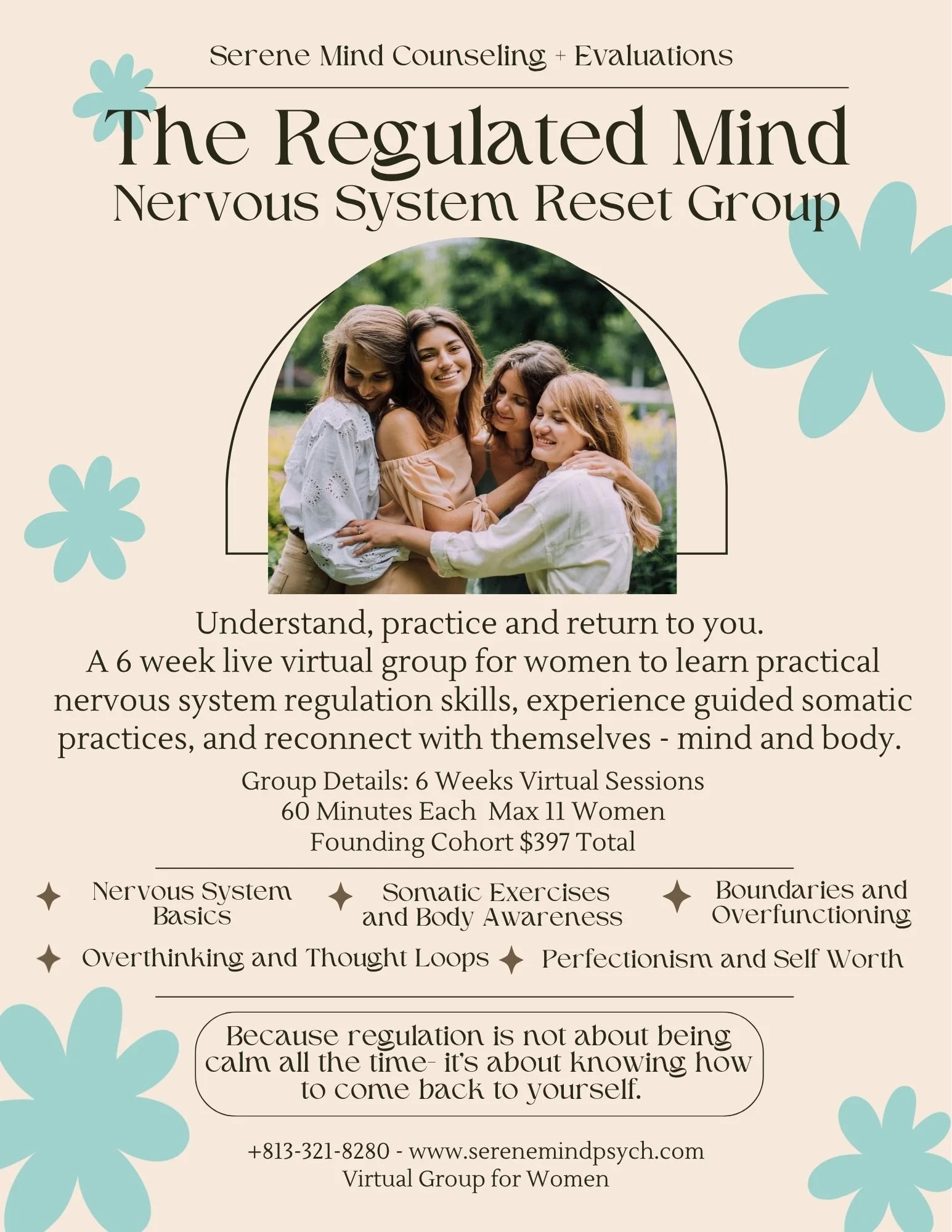
Our upcoming Nervous System Reset Group is rooted in this philosophy.

Rather than promising a quick fix or asking you to become perfectly regulated, the intention is to create a space for learning, practicing, reflecting, and developing a deeper relationship with your own nervous system.

Because sometimes the reset we need isn't another thing to accomplish.

Sometimes it's permission to pause long enough to hear ourselves again.

To notice what we've been carrying.

To understand why certain situations feel so activating.

To practice responding differently.

And to remember that underneath all the coping, protecting, performing, and surviving...

you are still there.

Maybe the work isn't about becoming a new version of yourself.

Maybe it's about finding your way back to the one who was there all along.

That is the heart of RETURN Within.

What If You Don’t Need to Fix Yourself? Learning to Return to Within

Human by Nature: Understanding the Nervous System and the Wisdom of the Body

Have you ever had a moment where your mind knew you were safe, but your body felt anything but safe?

Maybe your heart raced during a simple conversation. Maybe you felt overwhelmed by something that seemed small. Maybe you found yourself exhausted, disconnected, anxious, or stuck in patterns you couldn’t explain.

These experiences are not signs that something is wrong with you. They are signs that your body is communicating.

At the core of our human experience is a powerful system designed to protect us: the nervous system.

Your Nervous System Is Always Listening

Your nervous system is constantly scanning your environment and your experiences, asking one important question:

“Am I safe?”

Long before we consciously think through a situation, our nervous system is gathering information. It notices facial expressions, tone of voice, body language, memories, sensations, and changes in our environment.

This process helps us respond quickly when we need protection. It allows us to move away from danger, connect with others, focus on important tasks, and adapt to life’s challenges.

The nervous system is not designed to make life difficult—it is designed to help us survive.

However, when we experience ongoing stress, trauma, illness, uncertainty, or overwhelming circumstances, our nervous system can become stuck in patterns of protection.

When Protection Becomes Exhausting

Many people live with a nervous system that has been working overtime.

This may look like:

  • Feeling constantly “on edge”

  • Difficulty relaxing even when things are calm

  • Feeling overwhelmed by everyday demands

  • Trouble sleeping or feeling rested

  • Increased sensitivity to stress, emotions, or physical sensations

  • Feeling disconnected from yourself or others

  • Experiencing anxiety, shutdown, or emotional exhaustion

Often, people judge themselves for these experiences.

They may think:
“Why can’t I just calm down?”
“Why am I reacting this way?”
“Why can’t I get back to who I used to be?”

But the body is not betraying you. It is trying to protect you using the information it has collected over time.

Healing Begins With Understanding

One of the most powerful shifts we can make is moving from judgment to curiosity.

Instead of asking:
“What is wrong with me?”

We can begin asking:
“What is my nervous system trying to tell me?”

This simple change creates space for compassion.

Healing is not about forcing yourself to “get over” your experiences or ignoring what your body is communicating. It is about learning how to listen, regulate, and build a deeper relationship with yourself.

The nervous system can learn new patterns. Through supportive relationships, therapeutic work, mindfulness, body-based approaches, and intentional practices, we can help our bodies experience more safety and flexibility.

Human by Nature

Being human means having a nervous system.

It means having emotions, memories, instincts, needs, and protective responses. It means that our bodies carry wisdom from everything we have experienced.

Our nervous system is not separate from who we are—it is a fundamental part of our story.

At Serene Mind Counseling, we believe healing begins when we understand ourselves more deeply. When we recognize the connection between our thoughts, emotions, bodies, and experiences, we can begin creating meaningful change from the inside out.

Human by Nature is an invitation to explore what makes us human: our capacity to adapt, connect, heal, and grow.

Your body has been communicating with you all along.

The question is: are we ready to listen?

Human by Nature: Understanding the Nervous System and the Wisdom of the Body

Rethinking Self-Care: A Genuine Approach to Mental Health

Self-care has become a buzzword, often reduced to images of bubble baths and spa days. But as a therapist in Tampa, FL, I’ve seen how this oversimplification can sometimes miss the deeper, more transformative aspects of self-care—especially when it comes to mental health. Let’s move beyond the clichés and explore what self-care truly means from a genuine, therapeutic perspective.

Understanding Self-Care as a Foundation for Mental Health

At its core, self-care is about creating a sustainable lifestyle that supports your mental and emotional well-being. It's not just about occasional treats or escapes; it’s about making intentional choices that help you maintain balance in the face of life’s challenges. This involves setting boundaries, recognizing when you need rest, and making space for activities that nourish your spirit.

In therapy, I often see clients who struggle with the idea of self-care because it feels selfish or unnecessary. But self-care isn't about indulgence—it's about self-preservation. It’s the foundation upon which your mental health is built. Without it, stress, anxiety, and burnout can take over, leaving you feeling overwhelmed and disconnected.

Redefining Self-Care: Beyond the Stereotypes

Self-care is not one-size-fits-all. For some, it might mean taking a quiet walk in nature to clear their mind. For others, it could involve setting aside time each day for journaling or meditation. It might even be as simple as saying “no” to an extra commitment that would overextend you. The key is to find what truly replenishes your energy and helps you feel centered.

In my practice here in Tampa, I encourage clients to think of self-care as a series of small, consistent actions rather than grand gestures. It’s about making choices that align with your values and needs, whether that’s seeking support when you’re struggling, prioritizing sleep, or finding creative outlets that bring you joy. It’s not about escaping your life—it’s about building a life you don’t need to escape from.

The Real Work of Self-Care

The truth is, self-care can be challenging. It often requires you to confront uncomfortable feelings, make difficult decisions, and put your well-being ahead of other demands. This might mean having tough conversations, letting go of toxic relationships, or changing unhealthy habits. It’s work, but it’s the kind of work that pays off in a healthier, more resilient you.

From a therapeutic perspective, self-care is also about recognizing when you need help. This might involve seeking therapy, joining a support group, or simply reaching out to a friend. It’s about understanding that you don’t have to navigate life’s challenges alone—and that asking for help is a sign of strength, not weakness.

A Therapist's Perspective: Why Self-Care Matters

As a therapist, I’ve seen how a lack of self-care can lead to a downward spiral in mental health. Neglecting your needs can result in increased stress, anxiety, depression, and even physical health problems. On the other hand, when self-care becomes a regular part of your life, it creates a buffer against these challenges. It helps you stay grounded, focused, and resilient, even in difficult times.

In Tampa, where the pace of life can be fast and demands high, self-care is more important than ever. Whether you’re juggling work, family, or personal goals, taking time to care for yourself is crucial. It’s not about adding another task to your to-do list—it’s about integrating practices that support your overall well-being into your daily life.

Conclusion: Making Self-Care a Priority

Self-care isn’t about perfection; it’s about progress. It’s about making choices that support your mental health and recognizing that these choices are essential, not optional. As you move forward, consider what self-care looks like for you and how you can incorporate it into your life in a way that feels authentic and sustainable.

If you’re struggling to find balance or need support in prioritizing your well-being, I’m here to help. Together, we can explore strategies that work for you, ensuring that your mental health remains strong in the face of life’s challenges. Remember, self-care is not just about taking care of yourself today—it’s about building a foundation for a healthier, more fulfilling tomorrow.

Rethinking Self-Care: A Genuine Approach to Mental Health

Empowering Young Adults: Boosting Self-Esteem and Embracing Independence

In the journey of life, young adulthood is a pivotal phase where individuals navigate through various challenges and transitions. It's a time marked by self-discovery, forging new paths, and laying the foundation for the future. Amidst this whirlwind of change, two crucial elements stand out: self-esteem and independence. Cultivating these traits can significantly enhance the quality of life for young adults, equipping them with the confidence and resilience needed to thrive.

Let's delve into how enhancing self-esteem and embracing independence can benefit young adults.

1. Self-Confidence Opens Doors

Self-esteem forms the cornerstone of self-confidence. When young adults believe in their abilities and worth, they're more likely to pursue their goals with vigor and determination. Whether it's applying for a dream job, speaking up in a meeting, or embarking on a new relationship, a healthy level of self-esteem empowers individuals to step out of their comfort zones and embrace opportunities.

Moreover, high self-esteem serves as a buffer against the inevitable setbacks and rejections that life throws their way. Rather than being deterred by failure, individuals with robust self-esteem view it as a learning experience, resiliently bouncing back and adapting their strategies for future success.

2. Independence Fosters Growth

Independence is the hallmark of adulthood, signifying the ability to make decisions and take responsibility for one's actions. As young adults gradually emancipate from the guidance of parents and mentors, they embark on a journey of self-reliance and autonomy. This process of individuation not only fosters personal growth but also cultivates a sense of empowerment and agency.

Embracing independence allows young adults to explore their interests, pursue their passions, and chart their own course in life. Whether it's living away from home, managing finances, or making important life choices, each step towards independence builds resilience and fortitude, laying the groundwork for a fulfilling and purposeful existence.

3. Strengthening Mental Health

The relationship between self-esteem, independence, and mental health is profound. Studies have shown that individuals with low self-esteem are more susceptible to anxiety, depression, and other mental health issues. Conversely, fostering a positive self-image and a sense of autonomy can serve as protective factors against such challenges.

By nurturing self-esteem and independence, young adults develop coping mechanisms to navigate stressors and challenges more effectively. They become adept at setting boundaries, seeking support when needed, and prioritizing self-care. Ultimately, a strong foundation of self-esteem and independence bolsters mental well-being, enabling young adults to lead more balanced and fulfilling lives.

4. Building Resilience for the Future

In a rapidly changing world, resilience is a invaluable asset. By enhancing self-esteem and embracing independence, young adults cultivate the resilience needed to weather life's storms and adapt to unforeseen circumstances. They develop a sense of self-efficacy, knowing that they have the strength and resourcefulness to overcome obstacles and persevere in the face of adversity.

Moreover, a resilient mindset fosters a sense of optimism and possibility, fueling creativity, innovation, and growth. Rather than being daunted by challenges, resilient individuals view them as opportunities for learning and personal development. Thus, by investing in self-esteem and independence, young adults equip themselves with the tools to thrive in an ever-changing world.

In conclusion, the journey to adulthood is a transformative period characterized by self-discovery, growth, and empowerment. By prioritizing the cultivation of self-esteem and embracing independence, young adults can unlock their full potential and embark on a path of fulfillment and purpose. As they navigate the twists and turns of life, they'll find that their newfound confidence and autonomy serve as guiding beacons, illuminating the way forward towards a brighter, more resilient future.

Embracing Self-Love: A Valentine's Day Journey through Mental Health

As the world celebrates love on Valentine's Day, it's crucial to recognize that love isn't solely about romantic relationships. It encompasses the most vital relationship of all: the one we have with ourselves. In a society often fixated on external validation, it's easy to overlook the significance of self-love, especially concerning mental health.

This Valentine's Day, let's embark on a journey of self-discovery, embracing the power of self-love and its profound impact on mental well-being.

Understanding Mental Health: Before delving into the depths of self-love, it's essential to grasp the complexities of mental health. Mental health encompasses our emotional, psychological, and social well-being, influencing how we think, feel, and act. It's a spectrum, ranging from flourishing to struggling, and requires nurturing and care, just like physical health.

Challenges of Self-Love: In a world inundated with unrealistic standards and relentless comparisons, cultivating self-love can be arduous. Many individuals grapple with feelings of inadequacy, self-doubt, and criticism, exacerbating mental health issues such as anxiety and depression. Moreover, societal stigma surrounding mental health often hinders individuals from seeking help or acknowledging their struggles.

Embracing Self-Love: Despite the challenges, practicing self-love is not only attainable but transformative. It involves fostering a compassionate and accepting relationship with oneself, recognizing one's worth beyond external achievements or validations.

Here are some strategies to embark on this journey:

  1. Self-Compassion:

    Treat yourself with the same kindness and understanding you would offer to a loved one facing difficulties. Embrace your flaws and imperfections with empathy, acknowledging that they're part of what makes you human.

  2. Prioritize Self-Care:

    Dedicate time to activities that nourish your mind, body, and soul. Whether it's meditation, exercise, or pursuing hobbies, prioritize self-care as an essential component of your routine.

  3. Set Boundaries:

    Learn to say no to commitments or relationships that drain your energy or compromise your well-being. Establishing boundaries is crucial for protecting your mental health and honoring your needs.

  4. Practice Gratitude:

    Cultivate a mindset of gratitude by acknowledging and appreciating the blessings in your life, no matter how small. Gratitude shifts your focus from what's lacking to what's abundant, fostering a sense of fulfillment and contentment.

  5. Seek Support:

    Don't hesitate to reach out for support from trusted friends, family members, or mental health professionals. Seeking help is a sign of strength, not weakness, and can provide invaluable guidance on your journey towards self-love.

Celebrating Love in All Forms: As we celebrate Valentine's Day, let's broaden our definition of love to encompass all forms of affection and connection. Whether it's romantic love, platonic love, or self-love, each holds immense significance in enriching our lives and nurturing our mental health. By embracing self-love, we not only enhance our well-being but also cultivate deeper, more authentic relationships with others.

This Valentine's Day, let's embark on a journey of self-love and mental well-being. By prioritizing self-compassion, self-care, and gratitude, we can overcome challenges and embrace our true selves wholeheartedly. Remember, love begins within, and by nurturing our relationship with ourselves, we pave the way for a brighter, more fulfilling future. Happy Valentine's Day, from me to you – may your heart be filled with love, today and always.

The Strength in Sisterhood: How Women Flourish Through Friendships and Community

Friendships and community play a crucial role in the lives of women, offering support, connection, and empowerment. From sharing life's joys and sorrows to navigating challenges and celebrating successes, women benefit immensely from nurturing relationships with friends and being part of a supportive community.

In this blog, we'll explore the myriad ways in which women thrive and find fulfillment through the bonds of friendship and belonging.

  1. Emotional Support:

    Friendships provide a vital source of emotional support for women, offering a safe space to express their feelings, fears, and vulnerabilities. Whether it's lending a listening ear during times of distress or offering words of encouragement and empathy, friends provide comfort and solace in times of need. Having a close-knit circle of friends allows women to feel understood, validated, and less alone in their struggles, fostering a sense of belonging and emotional well-being.

  2. Shared Experiences and Understanding:

    Women bond over shared experiences, forging deep connections based on mutual understanding and empathy. Whether it's motherhood, career challenges, relationship dynamics, or personal growth journeys, sharing stories and insights with friends helps women feel validated and supported in their experiences. Through these connections, women gain perspective, wisdom, and a sense of solidarity that enriches their lives and strengthens their sense of identity.

  3. Empowerment and Encouragement:

    Friendships empower women to embrace their strengths, pursue their passions, and overcome obstacles with confidence. Friends serve as cheerleaders, encouraging each other to dream big, take risks, and challenge societal norms. Whether it's celebrating achievements, offering constructive feedback, or providing a shoulder to lean on during setbacks, friends inspire women to believe in themselves and their potential, fueling their ambition and resilience.

  4. Networking and Professional Growth:

    Beyond emotional support, friendships also play a pivotal role in women's professional lives. Networking within female-centric communities and cultivating mentorship relationships with fellow women can open doors to career opportunities, mentorship, and professional development. Women support each other in navigating the challenges of the workplace, advocating for gender equality, and breaking down barriers to success, fostering a culture of collaboration and empowerment.

  5. Lifelong Learning and Personal Growth:

    Friendships encourage women to step outside their comfort zones, explore new interests, and embark on personal growth journeys. Through meaningful conversations, shared hobbies, and collaborative endeavors, women inspire each other to continuously learn and evolve. Whether it's trying out a new hobby, pursuing further education, or challenging outdated beliefs, friendships provide a supportive environment for women to expand their horizons and become the best versions of themselves.

Friendships and community are invaluable resources that empower women to thrive, grow, and lead fulfilling lives. By nurturing supportive relationships with fellow women, women find strength, resilience, and a sense of belonging that enriches every aspect of their lives. As we celebrate the power of sisterhood, let us continue to champion meaningful connections, foster inclusive communities, and uplift each other in our shared journey towards growth, empowerment, and fulfillment.

How + Why to Prioritize Your Self Care

In a culture and society that is all about the hustle and bustle, self-care often takes a backseat to things we find ”productive” like work, exercise, and chores around the house. What is important to learn is that self-care is productive, and very important for our health and wellbeing. Self-care helps us give our minds a break and to relax.

Unplugging from the constant stimulation of texts, busy work schedules, to-do lists and helps us feel more into our parasympathetic nervous system and release from the on-edge feelings of always being connected.

Taking the time for self-care will actually improve your productivity- helping you feel energized and refreshed.

  • Eat Well

  • With our fast-paced lifestyle, it is easy to swing by a drive-thru fast-food restaurant or pick up a grab-n-go meal from your local grocery store. Grant yourself just 30 minutes each week to create a meal plan for yourself. Meal prepping is helpful to create an easy and quick meal that can be stored in the fridge and heated up in minutes. By taking a small amount of time during the week to prep and plan meals, you are saving more time (and money!) in the long run- not to mention fueling yourself with higher quality ingredients and important nutrients that fast food and frozen/prepackaged meals can’t provide.

  • Take a Break from Social Media

  • Find yourself constantly scrolling? This is a hint that you may be overstimulated or bored. Let yourself rest by unplugging, even if it is just for an hour. Constantly staying connected keeps our brains on overdrive, taking away from the present moment.

  • Maintain your Sleep Schedule

  • Up late to meet that deadline? Staying up to cram for an exam? Indulging in a Netflix marathon until 2am? When these habits pile up, it starts to take a toll on your physical, and even mental health. Sleep is the body’s way of regenerating, and it should be treated as a non- negotiable self-care routine. Create a schedule that works best for you and try to stick with it. Go to bed around the same time each night so your body creates a natural rhythm. Waking up feeling rested and refreshed will help you feel even more productive in your day-to-day tasks and activates.

  • Social Time

  • Connect with you friends (in person!) Need we say more? Social time is so important for our health and wellbeing. Feeling connected and that we belong is crucial to our sense of self-esteem and emotional health. Call up a friend or family member and make plans, even if it is just for a quick coffee meet-up. Even short interactions can help foster and nourish the foundation of our relationships and help us feel supported and secure.

  • Get Bored; Embrace Leisure

  • It is easy to pick up your phone and scroll when you are feeling bored or uneasy. When you’re feeling bored, let the creativity take over. Pick up the paintbrushes and create something new! Or maybe grab your notebook and start those journaling prompts you’ve been piling up. Sign up for that last minute cycle class.

  • When you give yourself space to be bored and have free time, you’ll start to remember the things you enjoy and want to engage in more often. Sometimes the spur of the moment leisure activities can spark even more creativity and inspiration in other areas of your life!

Looking for a therapist or life coach to help you on your self-care journey? We are here to help. Email us at hello@serenemindpsych.com or give us a call at 813.321.8280 to set up an intake appointment to see if one of our therapists can aid you in your healing journey.

How + Why to Prioritize Your Self Care  Serene Mind Blog - Tampa 33606 33611 33629 33609 Women's Group

Our Therapists Confirm, Asking for Help is a Sign of Self Awareness

Life is full of unexpected turns and zigzags. Sometimes life presents us with more than we can handle. We start to feel overwhelmed, sad, angry, confused or hurt. Accepting help may make you feel vulnerable, this is absolutely normal. When we open up and face our true feelings, we do become vulnerable. This vulnerability is what can help us heal, grow and show us just how strong we really are. When you ask for help you are able to accomplish more and feel better about yourself. When things start to become too heavy to carry an extra pair of hands can help. How do we know we need help and how do we get that help?

Knowing when to ask for help may be hard to figure out. It all starts with a little bit of insight, awareness and connecting with yourself. In society we are taught to be independent and to do things on our own. What society sometimes forgets is that everyone needs a little help, guidance and empathy.

Some signs you may be overwhelmed and needing more self awareness include:

  1. You are easily upset:

    Our emotions are often pushed to their limit when we try and handle too much so the smallest things could cause an emotional response whether it be crying or becoming angry.

  2. Forgetting things:

    Forgetting appointments or to call someone back; small things add up and could mean that you are not giving your attention to what needs it. On the other hand when we do recognize when we need help actually accepting it is another hurdle.

  3. Feeling run down or empty:

    When we are overwhelmed with negative thoughts or emotions, our tank runs on empty and we begin to feel to feel down. This can cause fatigue and burn out.

  4. Being hurtful towards yourself or others:

    As our emotions peak, we may not find relief. Sometimes this can lead towards behaviors that are destructive. We may take things out on ourselves or the people we love the most.

Here are some ways to start finding help, and therapy can be part of that help:

  1. Research your options:

    What exactly do you need help with? There are many resources available to you when looking for help.

  2. Know you are not alone:

    Sharing your problems and worries with someone else alone helps take the burden off of you.

  3. Know others want the best for you:

    Some people may be eager to help because they have your needs in mind. It is okay to set boundaries in this regard.

  4. Recognize that asking for help, is a sign of self awareness:

    Society may not recognize that asking for help is a game changer for many of us. Asking for help means we recognize we can not do everything, we need guidance and we are ready to grow.

Asking for help is a great step in feeling supported, loved and connected. When you ask for help, you are asking for empathy and validation. This is a sign of your own inner strength!

Asking for Help is a Sign of Self Awareness

4 Steps For Self-Growth - A Mental Health Perspective

How often do you find yourself looking in the mirror wondering where the 18-year-old version of you disappeared to? You look at yourself, thinking that the size of your jeans actually plays a part in your ability to make friends or fall in love. You may catch a glimpse of yourself while walking out the door and think that if you could look a certain way, maybe people would treat you differently. Negative thoughts of yourself swirl through your mind just to pollute the your self image.

Well, I’m here to tell you that those thoughts are not working for you. You will always be the only version of YOU and no one can take that away. As humans, we sometimes believe that growth is something that just comes with time. We think that things will eventually just change for the better and we will naturally just grow into the person we want to be. It is important to think deeper into that theory and imagine what our lives would be if we choose to do nothing and just assume growth will happen.

You can think of it almost like the life of a plant. Now, I have no green thumb but I do know that if you forget to water your plant and keep it out of the sunlight, it will soon wither away to a very little, frail version of its previous self. This is similar to what happens to us as humans. If we forget to love ourselves, to forgive ourselves for our mistakes, to love the body we have, we will become weak and frail. The best way to avoid this is to simply tell ourselves we are enough.

Now, I say simply, but I know this is no simple task at all. This will require work and dedication. It takes discipline. If every time we looked in the mirror we told ourselves we loved the body we live in, rather than hate it, eventually we will. Like a plant, we all need a little love, compassion, and sunlight to help us grow. Being mean to others never got you ahead in life. What makes you think being mean to yourself will?

Here are some steps to help you focus on your good qualities and the love you deserve to show yourself. Self-growth is a process, be gentle with yourself.

Step One: Locate the problem. What is affecting your self-esteem? Is it a relationship or an outside source? Where is it coming from?

Step Two: Avoid negative self-talk. Like we talked about before, speaking negatively toward yourself will only harm you.

Step Three: Connect with those who love you. This may be a relative or friend, anyone who sees the good in you that maybe you are having a hard time finding. Being around positive supports can help us remember why we love ourselves. .

Step Four: Set a goal and make it your challenge. Focus on the good around you and create routines to achieve it. Having good hygiene and a clean room will help clear your mind as well. Open the blinds to allow light and take a walk outdoors.

All of these things will be pieces of the puzzle that will eventually fit together to complete your challenge, finally showing you the full picture. Don’t forget, we are all human and no one is perfect. Rather, perfectly imperfect in our own ways.

4 Steps For Self-Growth

Therapist’s Share 3 Ways to Treat Yourself this Valentine's Day

With Valentine’s Day quickly approaching, the longing for a significant other becomes overwhelmingly apparent for those of us lacking our “perfect person.” For those of us in a relationship, the pressure of Valentine’s Day can be growing and we may be running to find the “perfect gift.” It is impossible to walk through a retail store without feeling overwhelmed by oversized teddy bears and heart shaped chocolates. It is natural for us to want another half, someone to hold or hug, someone who brings out the best in us.

We all know a perfect first date doesn’t exist, even if we are in a relationship.

How can we make Valentine’s Day About Self-Love?

Movies portray an unrealistic vision of how love really looks like and ultimately forces us to create unhealthy and unnecessary expectations for a potential partner and Valentine’s Day celebration.

So, instead of blindly searching for your person this February, or the perfect gift, I challenge you to find your self-love.

Here are three tips to spend your day in a healthy way:

1. Galentine’s day (or we can call it Palentine’s day for the fellas out there): Have a Valentine’s Day exchange with some of your friends, Secret-Santa style. This time, focus your gifts on self-love: everyone loves a good face mask, scented candles, great book, a gift card to your favorite spa or restaurant.

2. Snag a friend for the day and take advantage of Valentine’s Day deals: A half-off couple massage and discounted dinner for two are definitely some deals to take advantage of. You do not have to be in a relationship to enjoy great discounts.

3. Pamper yourself: Maybe you don’t want to go out, that is totally fine. While others stress about the pressure of planning the most romantic day of the year, you can sit and relax in your bathtub, watching standup comedy or horror movies, while eating your favorite chocolate. Soak in those positive endorphins and focus on you.

Love is everywhere we look, including inside ourselves. Searching in the wrong places will just leave you finding something you were not looking for. By finding and loving ourselves, we attract others who have the same energy. Your Valentine’s Day is what you want to make of it, be positive about your relationship status and focus on the relationship you have with yourself.

Treat Yourself this Valentine's Day